InstagramThe Instagram logo - a square camera icon with rounded corners and a circular lens, representing Instagram social media platformLinkedInThe LinkedIn logo - stylized letters "in" in a professional blue color, representing LinkedIn professional networking platformYouTubeThe YouTube logo - a play button icon in a rounded rectangle, representing YouTube video platformTwitterThe Twitter/X logo - stylized letter "X" in a modern design, representing Twitter/X social media platform

WhatsAppThe WhatsApp logo - a chat bubble with a phone icon, representing WhatsApp messaging platformWhatsApp

Contacts

About Us

LogoPortugal Home - A logo for the Portugal Home website
Sell
Blog
Login
  1. Homepage

  2. Blog

  3. Regions of Portugal: There Is More to Visit Than You Think

We are part of the Harland & Poston Group

Subscribe to our Newsletter

InstagramThe Instagram logo - a square camera icon with rounded corners and a circular lens, representing Instagram social media platformLinkedInThe LinkedIn logo - stylized letters "in" in a professional blue color, representing LinkedIn professional networking platformYouTubeThe YouTube logo - a play button icon in a rounded rectangle, representing YouTube video platformTwitterThe Twitter/X logo - stylized letter "X" in a modern design, representing Twitter/X social media platform

Property Listings

Lisbon

Algarve

Porto

Cascais

Silver Coast

All Properties

Our Services

Buying

Selling

Move to Portugal

Property Management

Visas

All Services

Corporate

About Us

Team

Careers

Blog

Contacts

Visas

D2 Visa

D7 Visa

Golden Visa

All Visas

InstagramThe Instagram logo - a square camera icon with rounded corners and a circular lens, representing Instagram social media platformLinkedInThe LinkedIn logo - stylized letters "in" in a professional blue color, representing LinkedIn professional networking platformYouTubeThe YouTube logo - a play button icon in a rounded rectangle, representing YouTube video platformTwitterThe Twitter/X logo - stylized letter "X" in a modern design, representing Twitter/X social media platform

© 2025 Portugal Homes. Trademarks and brands are the property of The Harland & Poston Group.

Privacy Policy
Terms of Service
Cookies

    Article

    Regions of Portugal: There Is More to Visit Than You Think

    Article -> October 21, 2024

    Article

    Regional & Lifestyle Spotlights

    Regions of Portugal: There Is More to Visit Than You Think
    Portugal Homes BrandA Portugal Homes brand logo
    Portugal Homes

    Get the best property advice.

    Thousands upon thousands of people flock to Portugal every year, and with good reason: the country has a plethora of benefits to offer its residents and visitors. You may find yourself drawn to iconic Portuguese regions such as Lisbon or the Algarve, and while they do have their unmistakable value, Portugal as a whole has so much more to offer.

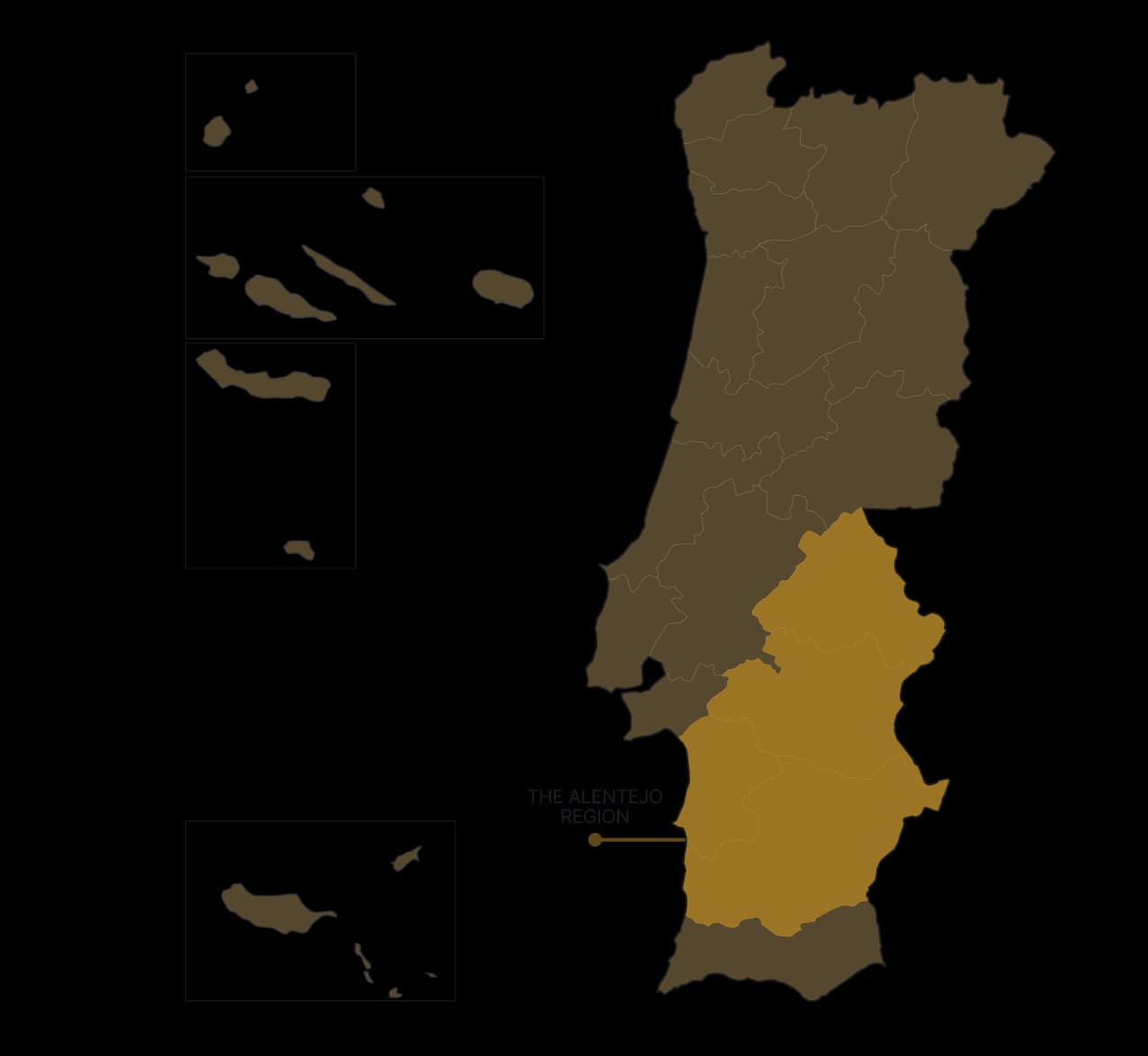
    Broadly speaking, Portugal is divided into seven regions, made up of 18 districts and two autonomous regions, each with its own character, lifestyle, and opportunities:

    Mainland Regions

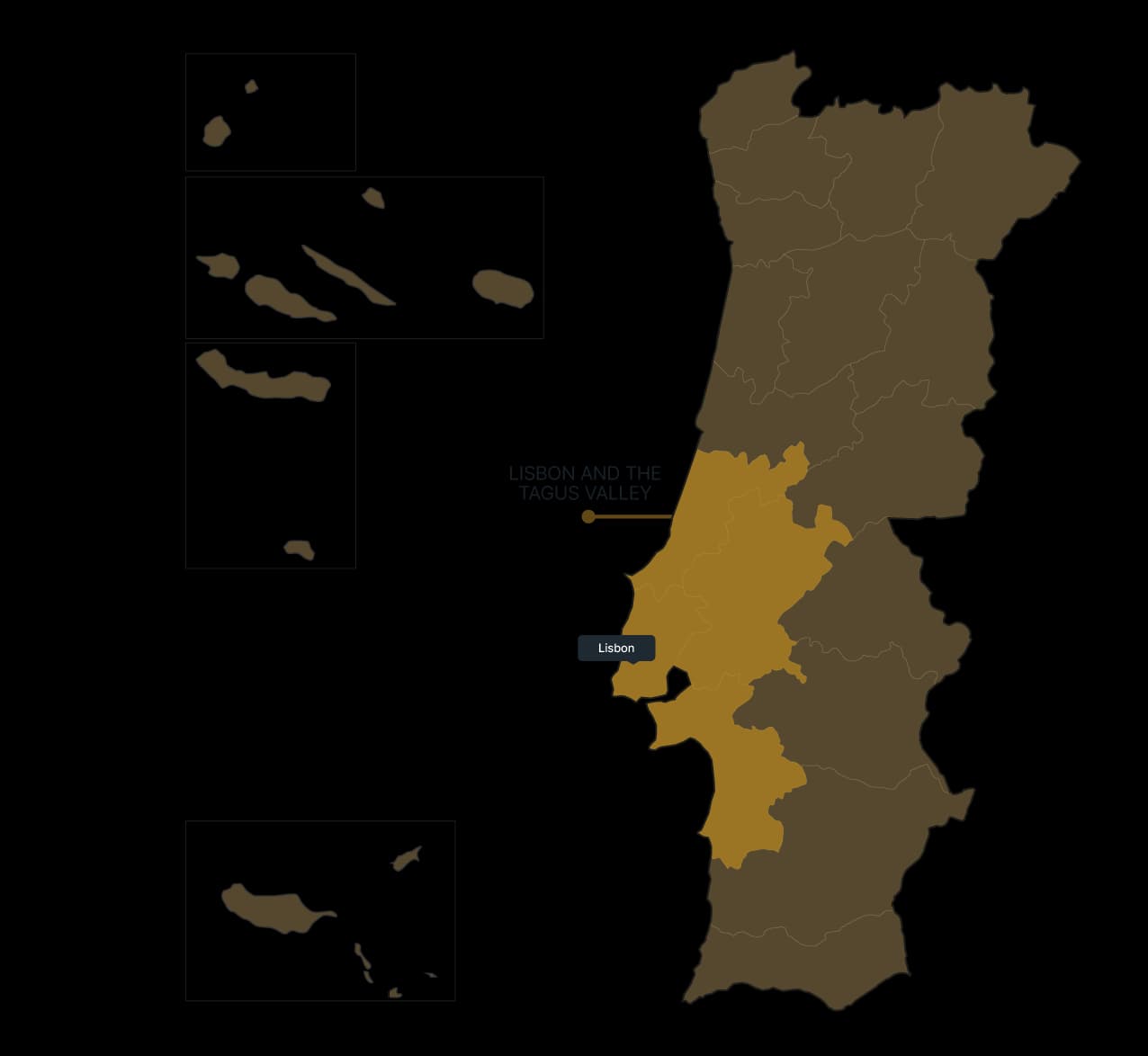
    • Lisbon and the Tagus Valley
      Includes the districts of Lisbon, Setúbal, and Santarém, combining urban life with coastal areas and river landscapes.

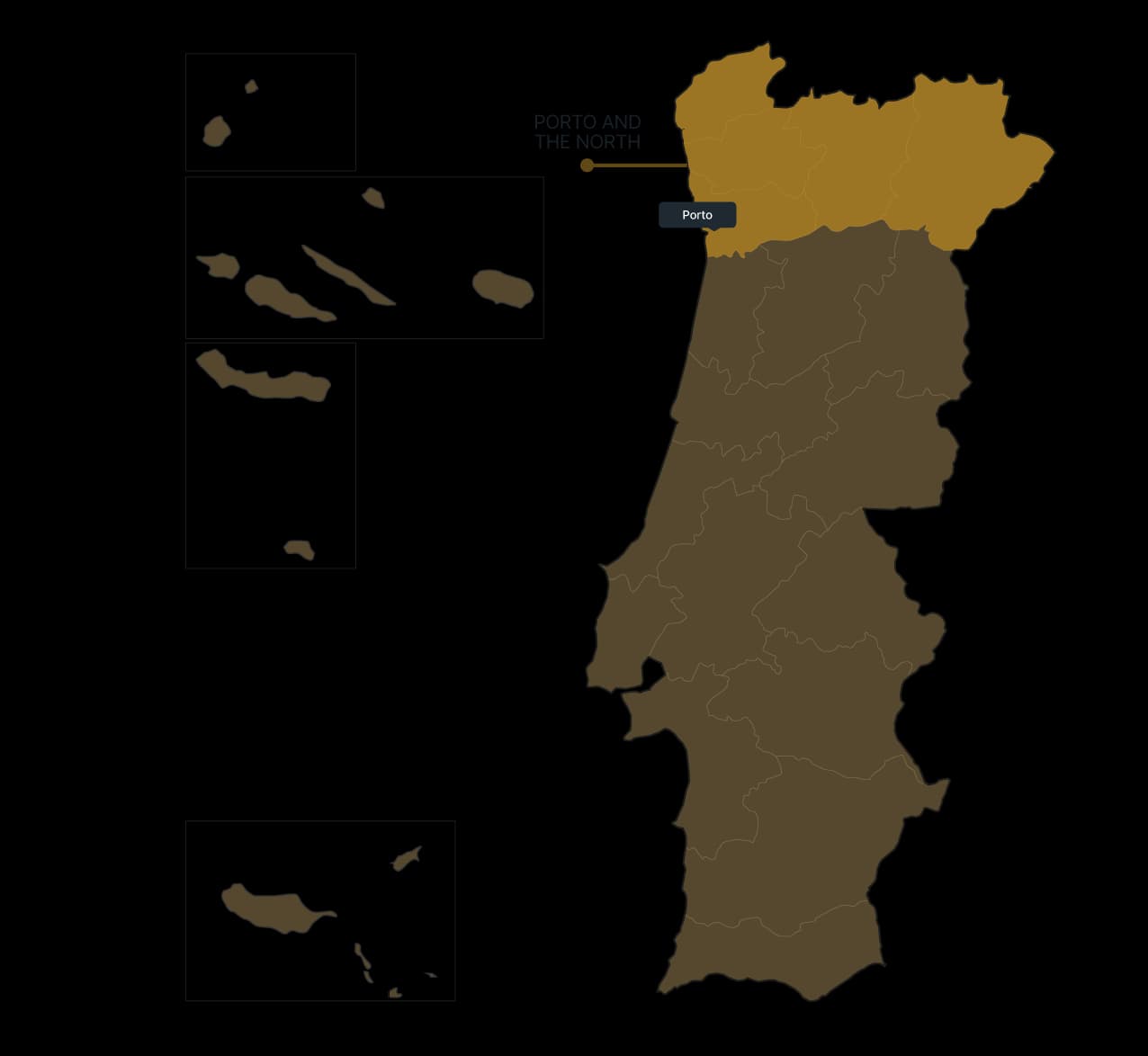
    • Porto and the Northern Region
      Encompasses the districts of Porto, Braga, Bragança, Viana do Castelo, and Vila Real, known for historic cities, vineyards, and mountainous scenery.

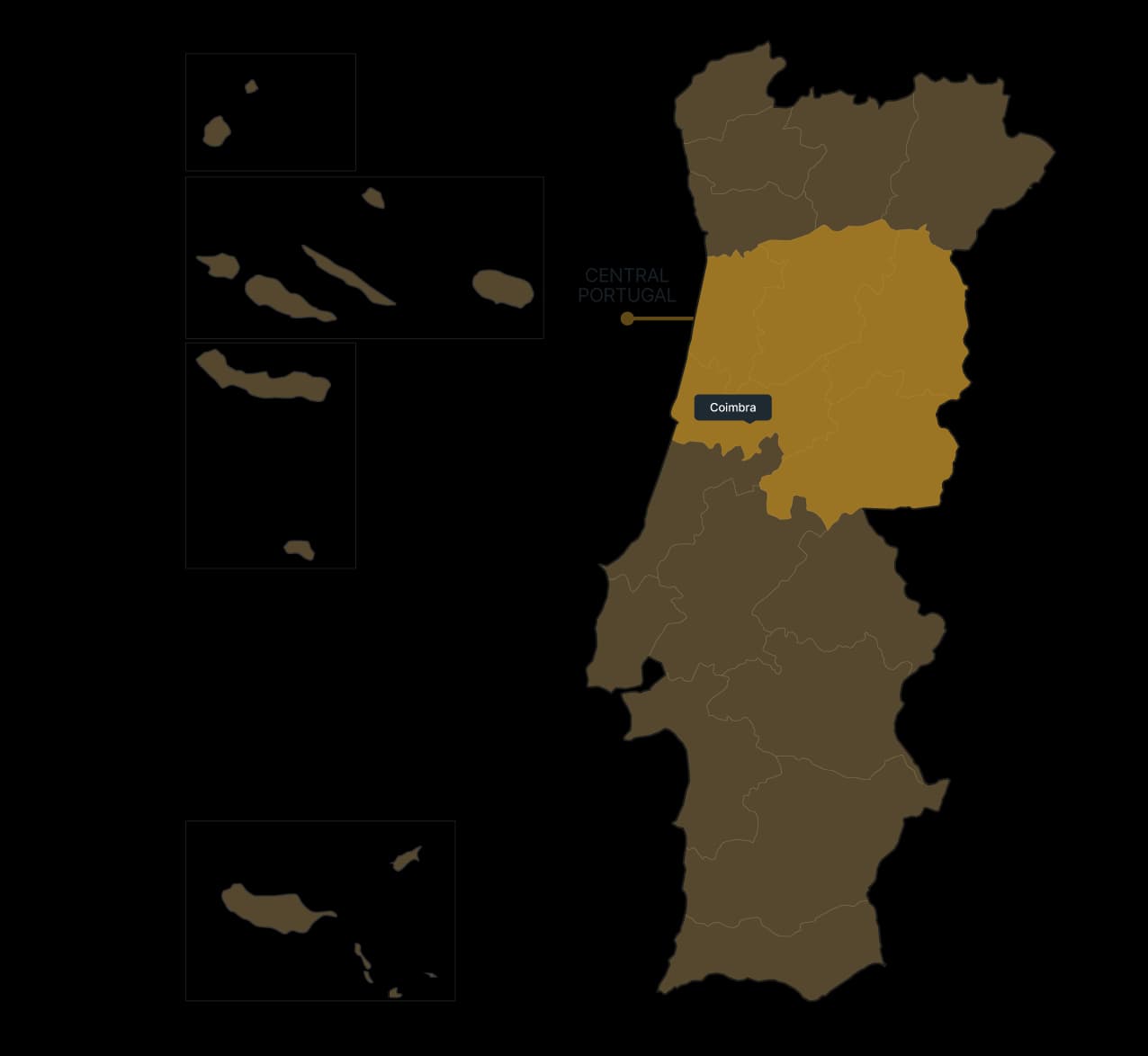
    • Central PortugalComprises the districts of , offering a mix of coastal towns, historic universities, and rural inland regions.
    Aveiro, Coimbra, Viseu, Leiria, Guarda, and Castelo Branco
  1. Alentejo
    Spans the districts of Beja, Évora, and Portalegre, characterised by open landscapes, traditional villages, and a slower pace of life.

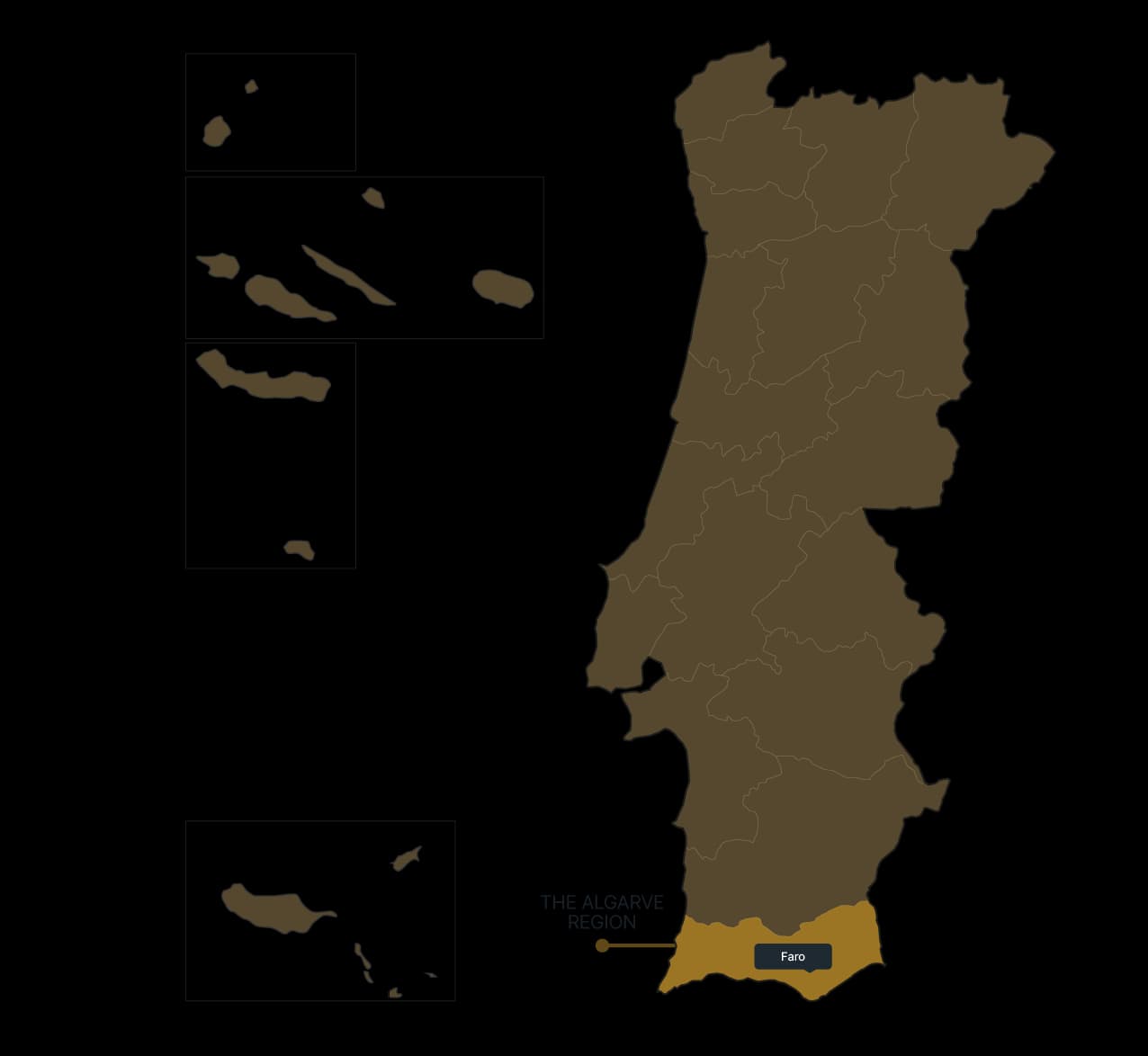
  2. Algarve
    Covers the Faro district, famous for its beaches, mild climate, and international appeal.

  3. Autonomous Regions

    • The Azores
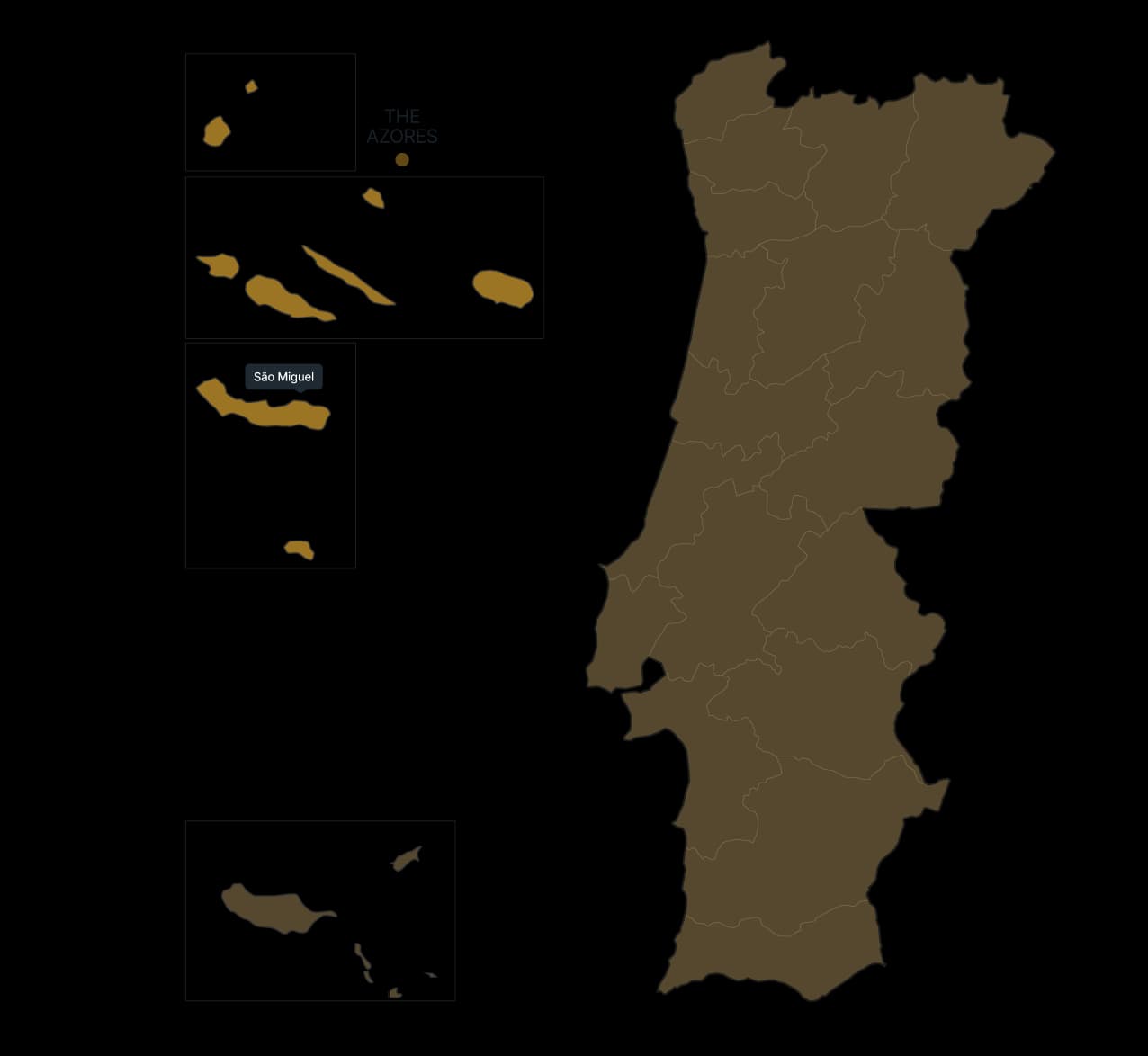
      A remote Atlantic archipelago made up of nine islands: Corvo, Faial, Flores, Graciosa, Pico, Santa Maria, São Jorge, São Miguel, and Terceira, known for dramatic landscapes and natural beauty.

    • Madeira
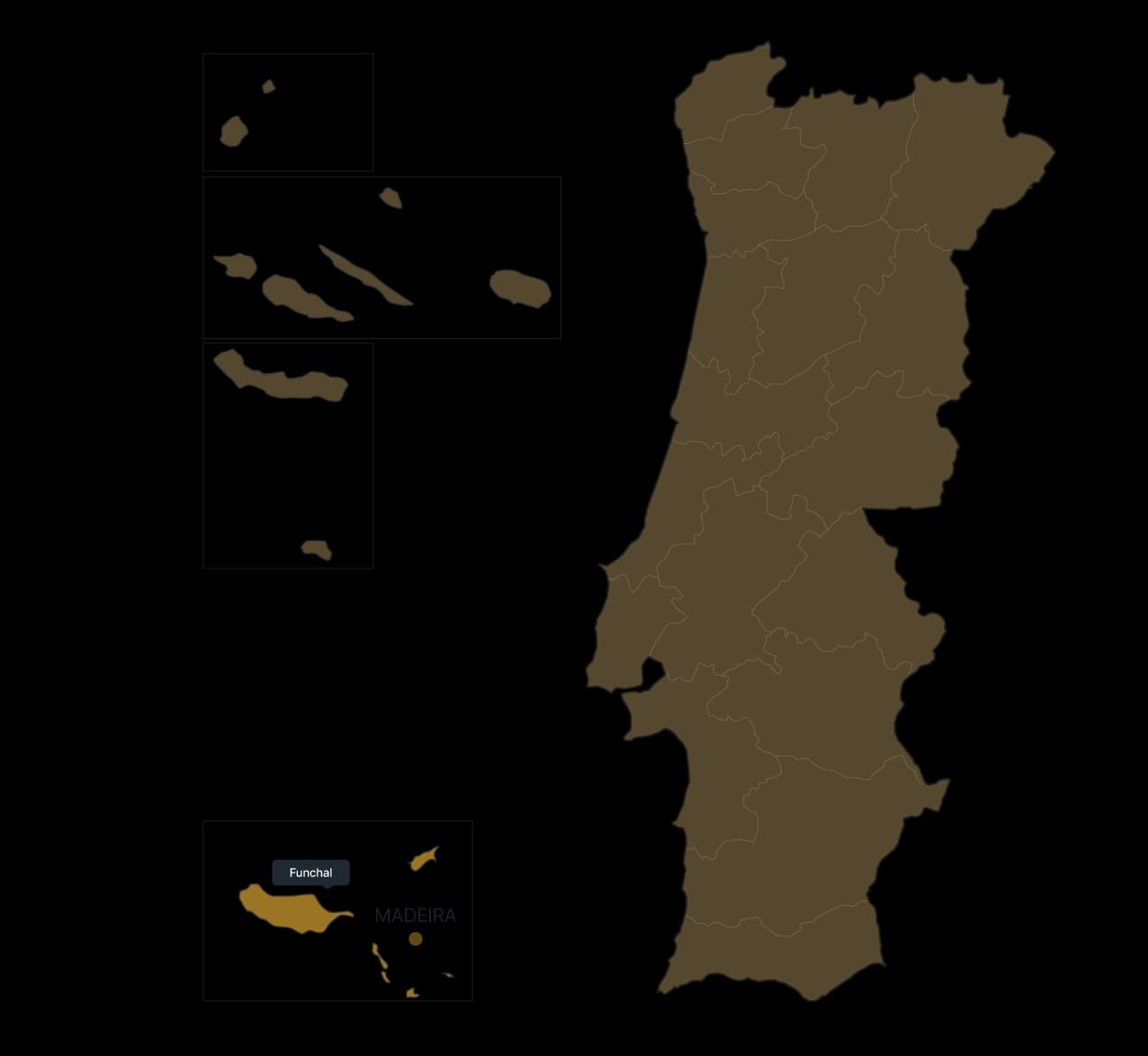
      Includes the islands of Madeira and Porto Santo, offering a subtropical climate, mountainous terrain, and strong international connections.

    Lisbon and the Tagus Valley: Portugal’s Heartbeat

    Image block

    Many people picture a city as a landscape of towering skyscrapers, neon lights and constant movement. Portugal’s capital, Lisbon, and the surrounding Tagus Valley offer something quite different. While undeniably a capital city and one of the best places to live in Portugal, Lisbon presents a lifestyle that feels more grounded, historic and human in scale.

    Walking through Lisbon’s cobbled streets often feels like stepping back in time. Neighbourhoods such as Alfama, with its traditional taverns and the unmistakable sound of Fado drifting through the air, reflect a city deeply connected to its past. In Belém, historic landmarks honour Portugal’s maritime heritage and its role during the Age of Discoveries, offering a clear link between history and national identity.

    Yet Lisbon is far from a city defined solely by its past. Bathed in sunlight throughout the year, even in winter, it is a dynamic and forward-looking capital where innovation and creativity continue to thrive. In recent years, Lisbon has attracted global talent, becoming a hub for entrepreneurs, creatives and expats seeking a high quality of life and a more balanced pace of living.

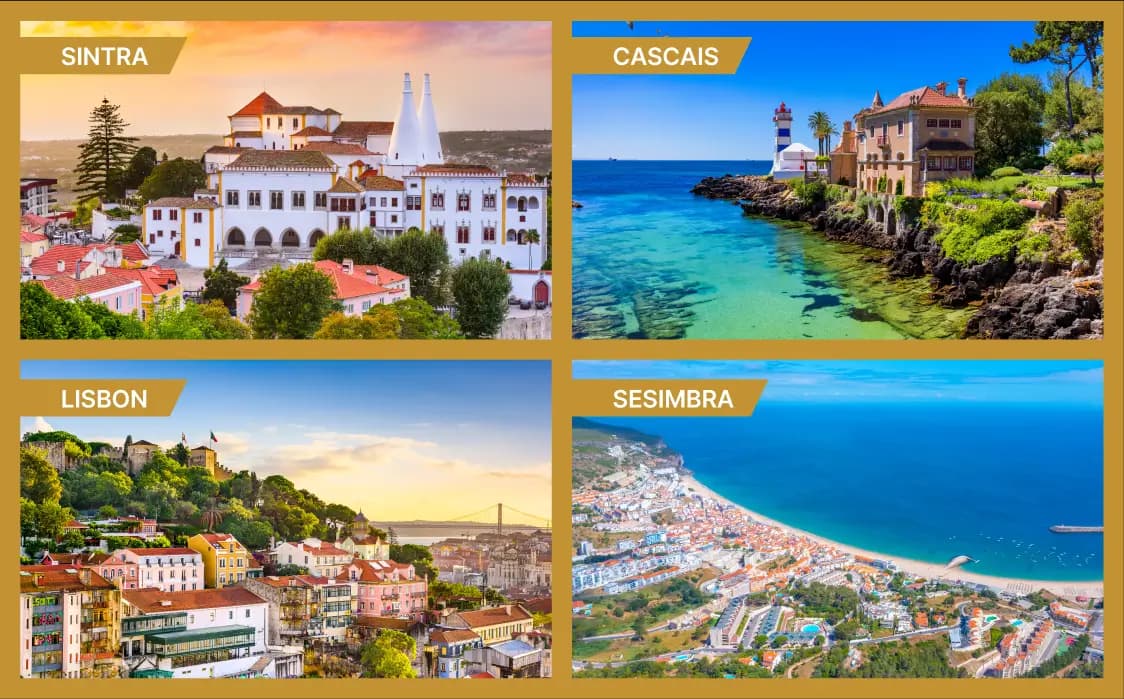
    Beyond the city itself, the wider Tagus Valley — also known as the Lisbon Metropolitan Area — adds to the region’s appeal. This area includes much of the Setúbal district, the South Bay locations of Almada and Sesimbra, as well as iconic destinations such as Sintra and the coastal town of Cascais, offering a diverse mix of urban living, historic villages and seaside lifestyles.

    Image block

    Porto and the North: The Unyielding Portuguese Soul

    Image block

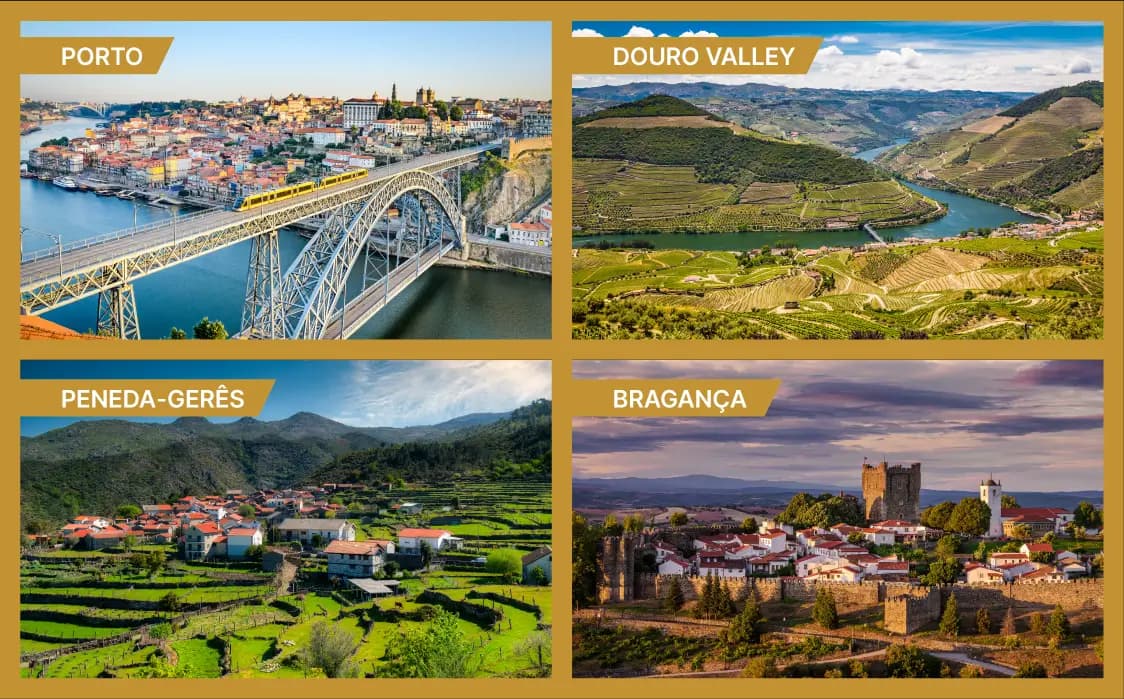
    Though Portugal’s second-largest city is often compared to Lisbon, Porto and the wider Northern region stand firmly on their own, offering a distinctly different character and atmosphere. If Lisbon is often described as the country’s heart, Porto is widely regarded as its soul. Known as the Cidade Invicta (the Invincible City), Porto reflects the resilience and determination that have long defined the Portuguese spirit, particularly during the Age of Discoveries.

    Porto is also the city that gave Portugal its name. Its ancient designation, Portus Cale, later became the centre of the County of Portucale, from which the country eventually emerged. Today, Porto’s medieval streets, historic architecture, green spaces and direct, no-nonsense local character continue to resonate with both visitors and expats, creating a strong sense of authenticity and place.

    The city is inseparable from the Douro River and the surrounding Douro Valley, which together form the cultural and economic backbone of Northern Portugal. This close relationship is reflected in the region’s most famous export — Port wine — produced in the Douro Valley and historically aged and traded through Porto and Vila Nova de Gaia.

    Beyond the city itself, Northern Portugal offers remarkable natural and cultural diversity. The rolling vineyards of the Douro Valley, the green landscapes of Minho and the rugged beauty of Trás-os-Montes all contribute to the region’s appeal. It is also home to Peneda-Gerês National Park, Portugal’s only national park and a protected area of outstanding natural beauty, rich in wildlife, mountains and traditional villages.

    Image block

    The Alentejo: Quieter, Rural Countryside Life

    Image block

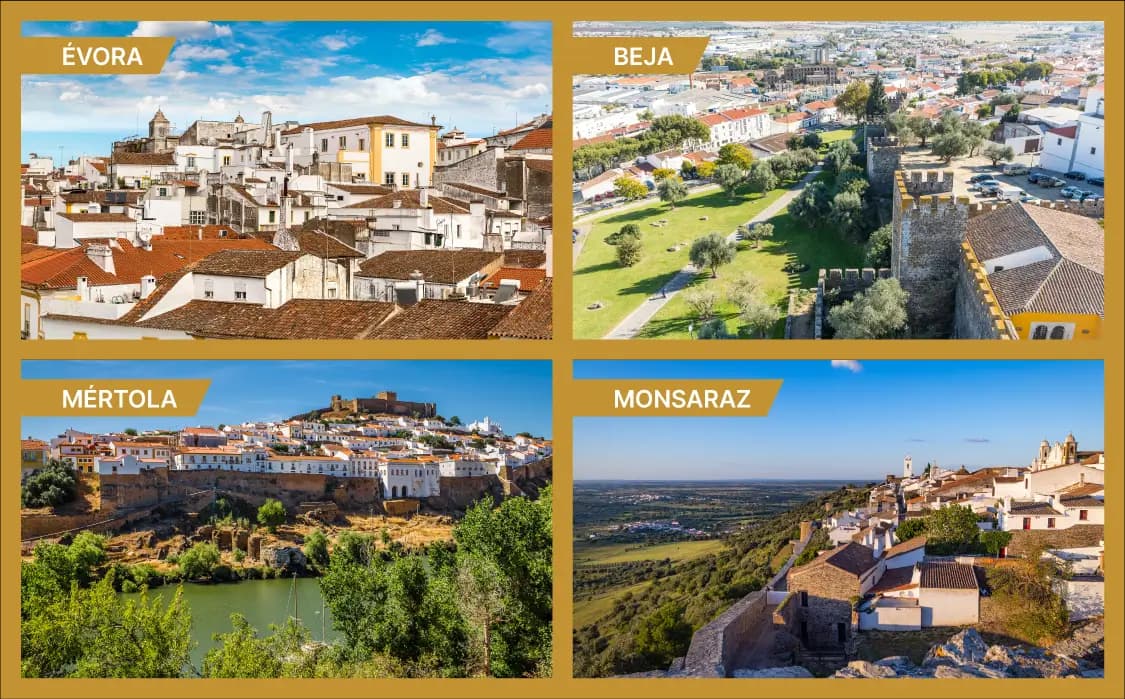
    While Lisbon and Porto are defined by their energy and constant movement, the Alentejo offers a contrasting lifestyle shaped by space, calm and a slower pace of life. Often seen as the transition between central Portugal and the Algarve, the region is characterised by wide golden plains, olive groves, vineyards and extensive cork oak forests that stretch across the landscape.

    Even in its larger towns, such as Évora and Beja, the Alentejo retains a strong sense of tradition. Whitewashed buildings accented with blue and yellow are a defining feature of the region’s architecture, reflecting both practicality and heritage. Combined with a largely rural lifestyle, these towns offer a sense of tranquillity that is increasingly rare elsewhere in Portugal.

    To understand the Alentejo’s approach to life, Évora offers a clear reference point. Selected as a European Capital of Culture for 2027, the city embraced the concept of vagar — a way of living that values unhurried movement, reflection and presence. While difficult to translate directly, the idea captures the region’s broader philosophy of balance and simplicity.

    Life in the Alentejo is not for everyone. However, for those who value space, calm and a more measured rhythm of living, it remains one of Portugal’s most appealing regions to visit or settle in.

    Image block

    The Algarve: Sun-Soaked Shores and Seaside Living

    Image block

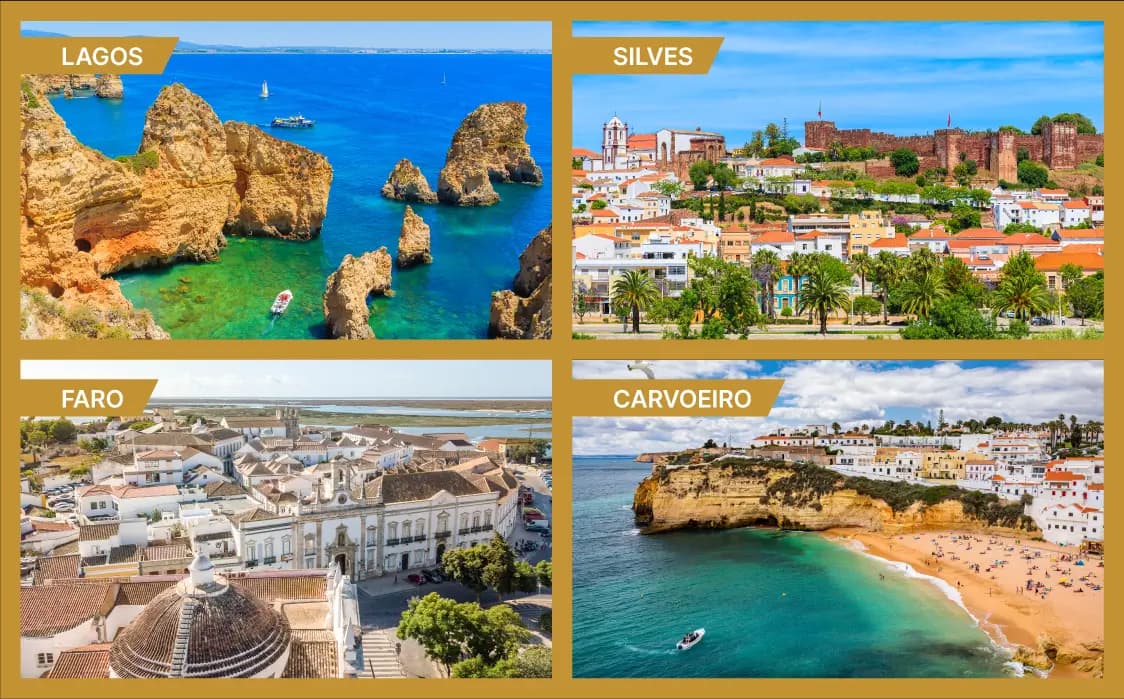
    During the summer months, the Algarve rivals Lisbon and Porto as one of Portugal’s most sought-after regions, and with good reason. When the sun is at its strongest, the region comes alive, with golden beaches and clear waters creating a lifestyle that feels defined by the sea and outdoor living.

    The Algarve offers a wide range of activities, particularly in areas such as the Golden Triangle and Faro. Beyond its beaches, the region is known for water sports, golf courses, vibrant nightlife and the many advantages of coastal living, making it a popular destination for both visitors and seasonal residents.

    In the quieter winter months, the Algarve takes on a very different character. While tourism slows and the pace of life becomes more subdued, the region reveals a calmer and more authentic side. This shift in atmosphere does not diminish its appeal; rather, it highlights the Algarve’s suitability for year-round living, especially for those seeking space, mild weather and a more relaxed rhythm.

    Moving inland, traditional towns and fishing villages become more prominent, offering a glimpse into everyday life shaped by the sea. Renowned for its seafood and coastal culture, the Algarve remains closely connected to the ocean in every season. Even in winter, the climate is generally mild, and the coastline is never far away — a defining feature for expats, digital nomads and anyone drawn to life by the sea.

    Image block

    Central Portugal: Where Nature and Heritage Meet

    Image block

    While Portugal’s coastal cities often take the spotlight, Central Portugal is sometimes overlooked — an oversight given how much of the country’s everyday life unfolds in the vast region between Lisbon and Porto. This area offers a more authentic view of Portugal, shaped by tradition, landscape and a slower, more grounded pace of living.

    Bringing such a diverse collection of cities, towns, villages and natural spaces under the single label of “Central Portugal” barely does the region justice. It is home to a significant share of the country’s cultural heritage, alongside landscapes of remarkable natural beauty, from rivers and forests to mountain ranges.

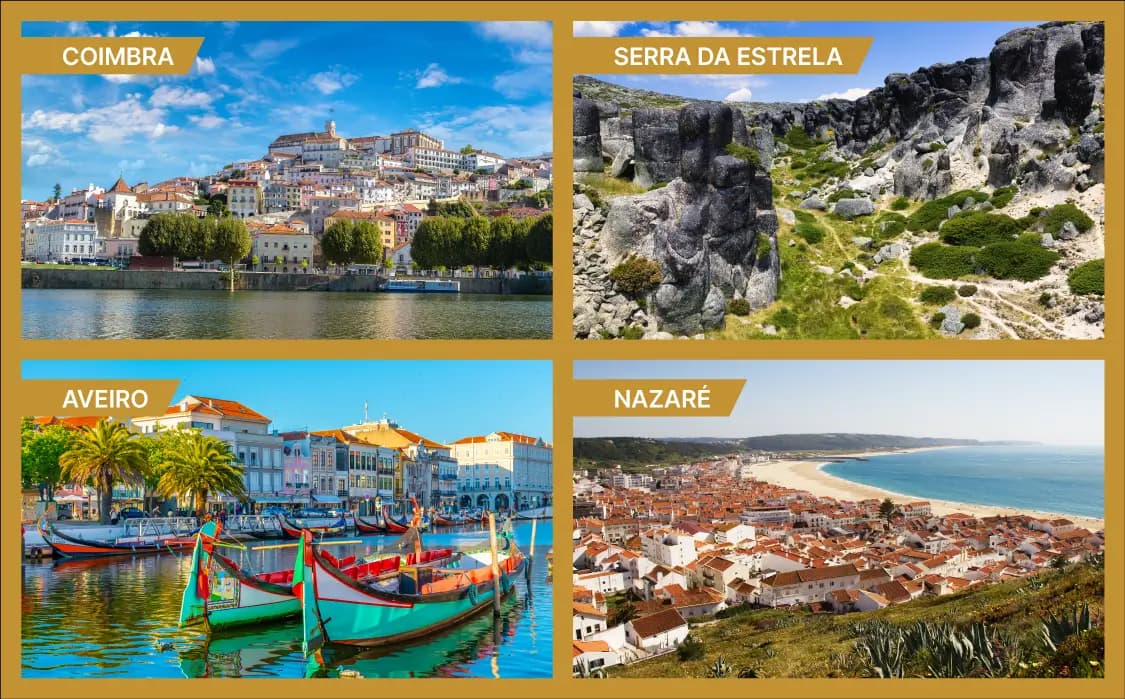
    Coimbra stands as one of the region’s most important reference points. Once Portugal’s capital, the city remains a cornerstone of national culture, largely due to its historic university — one of the oldest in the world. The steady flow of students gives Coimbra a youthful energy that blends naturally with its medieval character.

    Beyond its cities, Central Portugal offers exceptional opportunities for outdoor exploration. The Serra da Estrela mountain range is particularly notable, transforming into Portugal’s only skiing destination during the winter months and attracting visitors interested in snow sports and mountain landscapes.

    Along the coast, Aveiro is another defining destination. Often referred to as the “Portuguese Venice”, the city is crossed by canals navigated by traditional moliceiros. Beyond these comparisons, Aveiro has a distinctive identity shaped by Art Nouveau architecture and its well-known local delicacy, ovos moles.

    Other notable coastal towns include Nazaré, internationally recognised for its powerful waves, as well as Ericeira and Peniche, both deeply connected to Portugal’s maritime culture. With its mix of historic cities, coastal towns, forests and rivers, Central Portugal offers a balanced lifestyle that appeals equally to nature lovers and urban dwellers.

    Image block

    The Azores: The Atlantic’s Wild Beauty

    Image block

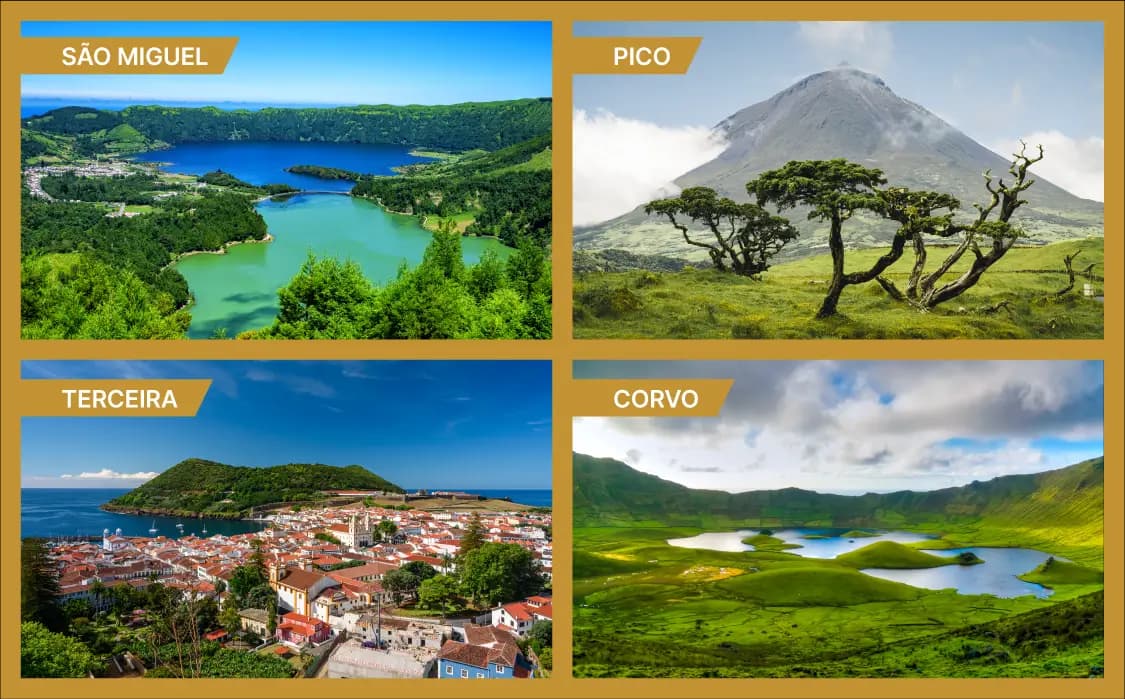
    Portugal extends well beyond its mainland borders. Located around 1,600 kilometres from the continent, the nine volcanic islands of the Azores remain deeply rooted in Portuguese culture and identity. Yet, upon arrival, the landscape feels entirely unique, defined by vast green pastures, dramatic coastlines and wide open skies. Iconic locations such as the Sete Cidades Lagoon offer a striking introduction to the archipelago’s natural beauty.

    Life in the Azores is closely connected to nature. More than an appreciation of the landscape, this relationship shapes daily life and wellbeing across the islands. Thanks to their volcanic origins, geothermal hot springs are abundant, offering year-round opportunities for relaxation, particularly during the cooler months. Across all nine islands, the slower pace of life encourages a sense of disconnection from modern pressures and a reconnection with the natural environment.

    The Azores are also home to Portugal’s highest point, Mount Pico, which rises to 2,351 metres above sea level on Pico Island. From volcanic caves and crater lakes to black- and white-sand beaches, the diversity of landscapes highlights the archipelago’s remarkable geological character and visual appeal.

    Life in the Azores is not suited to everyone, but for those who value simplicity, tradition and a strong respect for nature, it offers a unique lifestyle. Agriculture, dairy farming, fishing and eco-tourism remain central to the local economy and culture, with the islands producing a significant share of Portugal’s milk, cheese and other dairy products. This close connection between people, land and sea continues to define the Azores’ distinctive identity.

    Image block

    Madeira: Portugal’s Paradise

    Image block

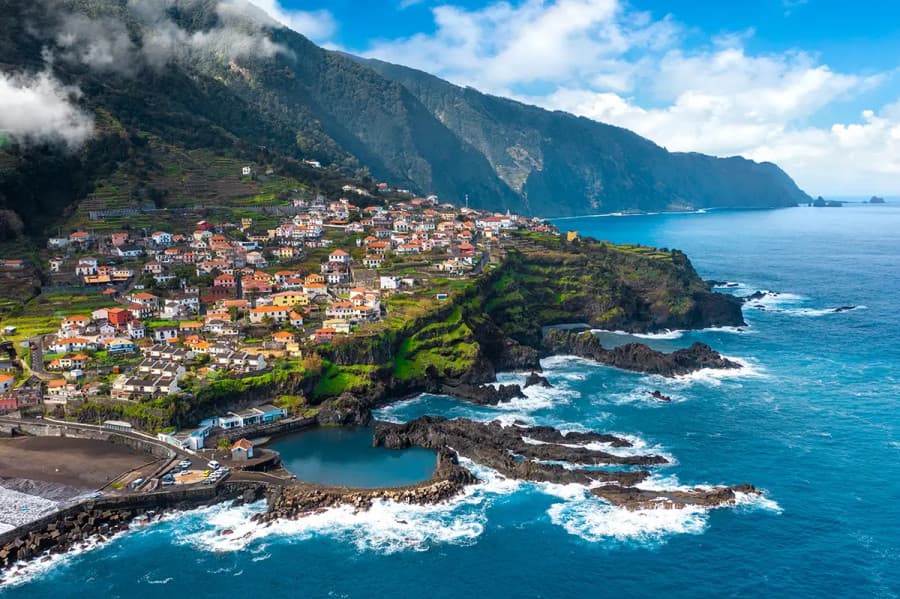
    Located closer to Africa than mainland Europe, the Madeira archipelago is every bit as Portuguese as the Azores. While the two are often compared, Madeira offers a distinctly different atmosphere. The archipelago has just two inhabited islands — Madeira and Porto Santo — and enjoys a subtropical climate, with mild temperatures throughout the year, including during winter.

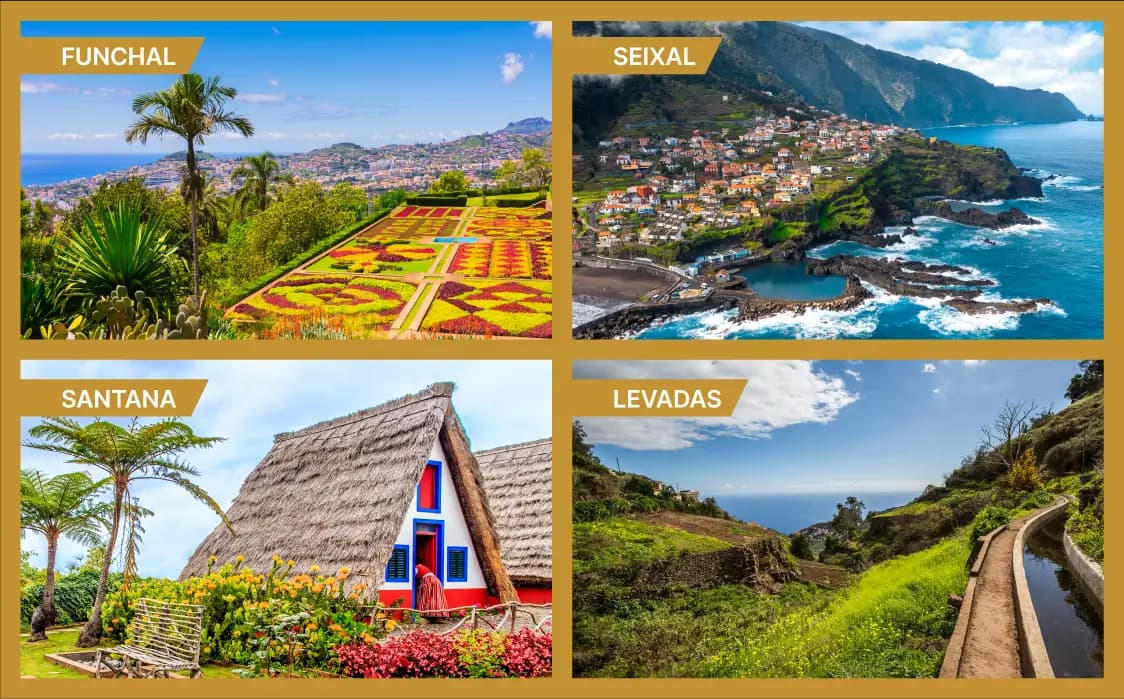
    Madeira’s landscapes allow for striking contrasts within a single day. It is possible to walk through misty forests in the morning, spend the afternoon by the sea, and enjoy a glass of Madeira wine as the sun sets over the Atlantic. Volcanic scenery, dramatic mountain ranges, terraced vineyards and the island’s famous levadas — historic irrigation channels now used as hiking trails — create a setting unlike any other Portuguese region.

    Beyond its natural beauty, Madeira remains lively and culturally rich, particularly in Funchal, the archipelago’s capital. The city blends tradition with everyday life, from the well-known wicker toboggan rides to local customs such as poncha, a traditional Madeiran drink. Traditional houses with white façades and thatched roofs add to the island’s distinct architectural identity, while Madeira’s New Year’s Eve celebrations are internationally recognised for their spectacular fireworks display.

    For those seeking further exploration, the uninhabited Desertas Islands form part of the Madeira archipelago and offer a more remote experience. Accessible by boat, these protected islands are ideal for wildlife observation and marine exploration, providing another perspective on Madeira’s rich natural environment.

    Image block

    Portugal: A Place to Call Home

    When it comes to choosing a region in Portugal, there is no wrong option. From Lisbon’s vibrant city life and the Algarve’s sun-soaked coastline to the rolling green landscapes of Porto and the North, each region offers its own distinct character and lifestyle. What they all share is a common way of life — more balance, a slower pace, time for family, natural beauty and a warm, welcoming culture.

    Making the decision to move abroad can feel like a significant step, but it does not have to be a complicated one. Relocating to Portugal has never been more accessible, and Portugal Homes is here to guide you through every stage of the journey. From your first enquiry to settling into your chosen region, you can rely on our expertise to make the transition as smooth and straightforward as possible.

    Image block
    Portugal Homes BrandA Portugal Homes brand logo
    Portugal Homes

    Get the best property advice.