InstagramThe Instagram logo - a square camera icon with rounded corners and a circular lens, representing Instagram social media platformLinkedInThe LinkedIn logo - stylized letters "in" in a professional blue color, representing LinkedIn professional networking platformYouTubeThe YouTube logo - a play button icon in a rounded rectangle, representing YouTube video platformTwitterThe Twitter/X logo - stylized letter "X" in a modern design, representing Twitter/X social media platform

WhatsAppThe WhatsApp logo - a chat bubble with a phone icon, representing WhatsApp messaging platformWhatsApp

Contacts

About Us

LogoPortugal Home - A logo for the Portugal Home website
Sell
Blog
Login
  1. Homepage

  2. Blog

  3. Portugal’s Weather: A Year-Round Climate Guide

We are part of the Harland & Poston Group

Subscribe to our Newsletter

InstagramThe Instagram logo - a square camera icon with rounded corners and a circular lens, representing Instagram social media platformLinkedInThe LinkedIn logo - stylized letters "in" in a professional blue color, representing LinkedIn professional networking platformYouTubeThe YouTube logo - a play button icon in a rounded rectangle, representing YouTube video platformTwitterThe Twitter/X logo - stylized letter "X" in a modern design, representing Twitter/X social media platform

Property Listings

Lisbon

Algarve

Porto

Cascais

Silver Coast

All Properties

Our Services

Buying

Selling

Move to Portugal

Property Management

Visas

All Services

Corporate

About Us

Team

Careers

Blog

Contacts

Visas

D2 Visa

D7 Visa

Golden Visa

All Visas

InstagramThe Instagram logo - a square camera icon with rounded corners and a circular lens, representing Instagram social media platformLinkedInThe LinkedIn logo - stylized letters "in" in a professional blue color, representing LinkedIn professional networking platformYouTubeThe YouTube logo - a play button icon in a rounded rectangle, representing YouTube video platformTwitterThe Twitter/X logo - stylized letter "X" in a modern design, representing Twitter/X social media platform

© 2025 Portugal Homes. Trademarks and brands are the property of The Harland & Poston Group.

Privacy Policy
Terms of Service
Cookies

    Article

    Portugal’s Weather: A Year-Round Climate Guide

    Article -> August 28, 2024

    Article

    Relocation to Portugal

    Portugal’s Weather: A Year-Round Climate Guide
    Portugal Homes BrandA Portugal Homes brand logo
    Portugal Homes

    Get the best property advice.

    Portugal has a diverse climate that varies significantly across its regions, making it a year-round destination for travellers and a comfortable environment for its residents. From vibrant summers in Lisbon to picturesque winters in Porto, understanding Portuguese weather patterns can enhance your experience, whether you are planning a beach holiday or a cultural tour. The mild climate that results from the country’s proximity to the Atlantic Ocean never reaches extremes at any point in the year, providing pleasant conditions for tourists and residents alike.

    Climate Across Portugal’s Regions: North, South, and Islands

    Despite being a small country, with an area of 92 230 km² (35,610 sq mi), Portugal’s weather is as diverse as its landscape, offering something unique in every season. Whether you are drawn to the , the misty mornings in Porto, or the mild, subtropical weather of Madeira and the Azores, understanding the country's varied climate is key to planning your perfect trip.

    The country has a lot to offer in terms of climate diversity, from cosy winter retreats to summer’s vibrant festivities. It is a year-round experience, with each month unveiling a new side of its beauty. This guide provides a detailed look at the weather across , helping you make the most of your visit, no matter when you go.

    Porto and Northern Portugal

    In the north, Porto experiences a temperate maritime climate. Winters are wet and mild, with temperatures hovering between 9°C and 15°C (48°F to 59°F). Summers are warm but comfortable, averaging 15°C to 25°C (59°F to 77°F). The region is known for its verdant landscapes thanks to consistent rainfall throughout the year. The North also hosts the Minho region, a mountainous and forested area of Portugal responsible for the production of Green Wine (Vinho Verde) due to its specific climate.
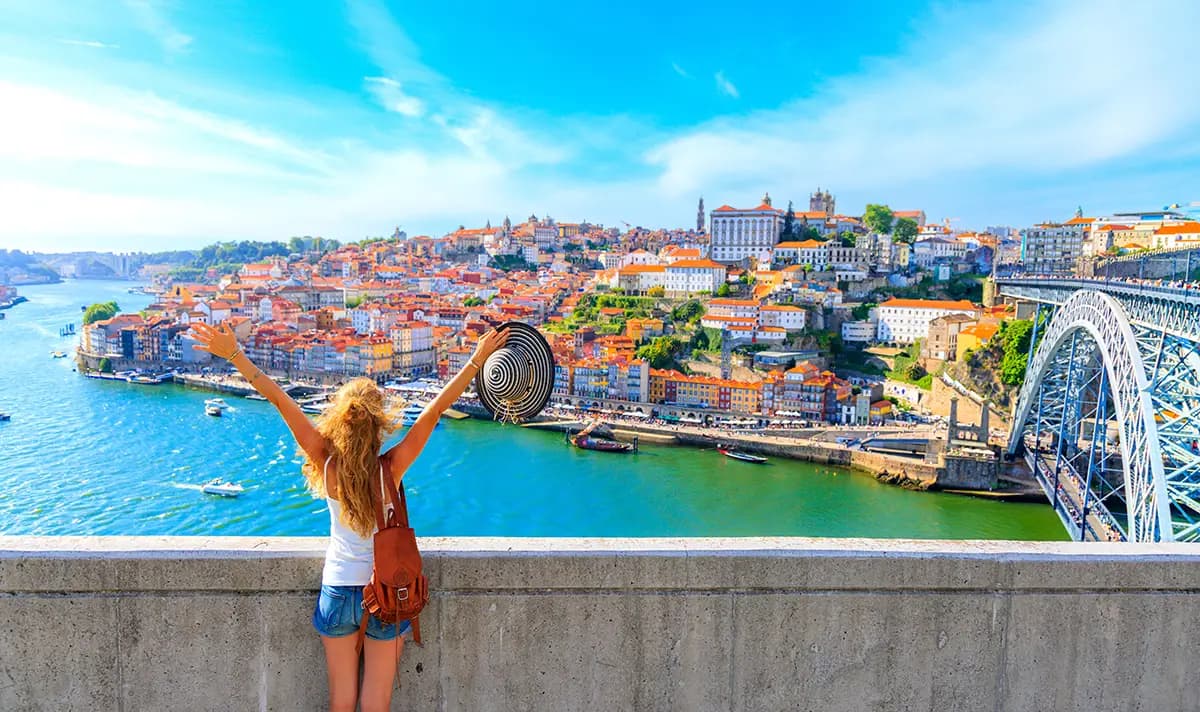
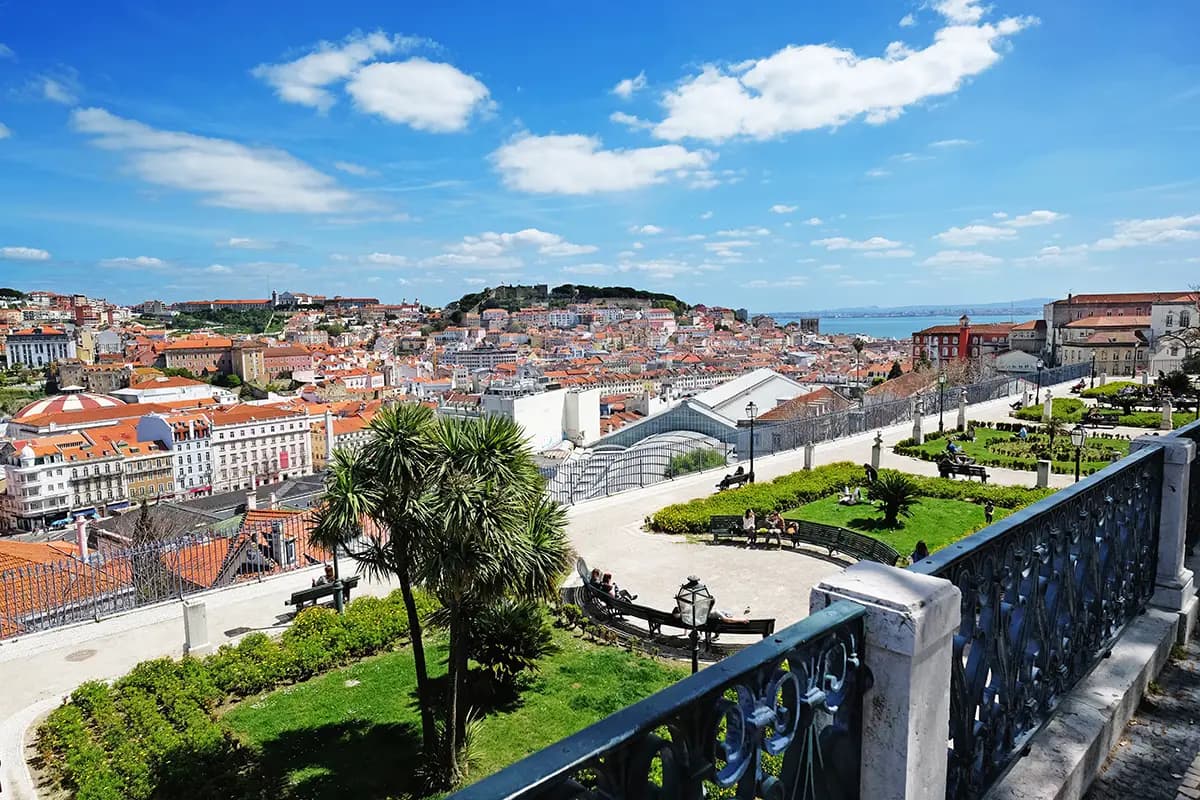
    Image block

    Lisbon and Central Portugal

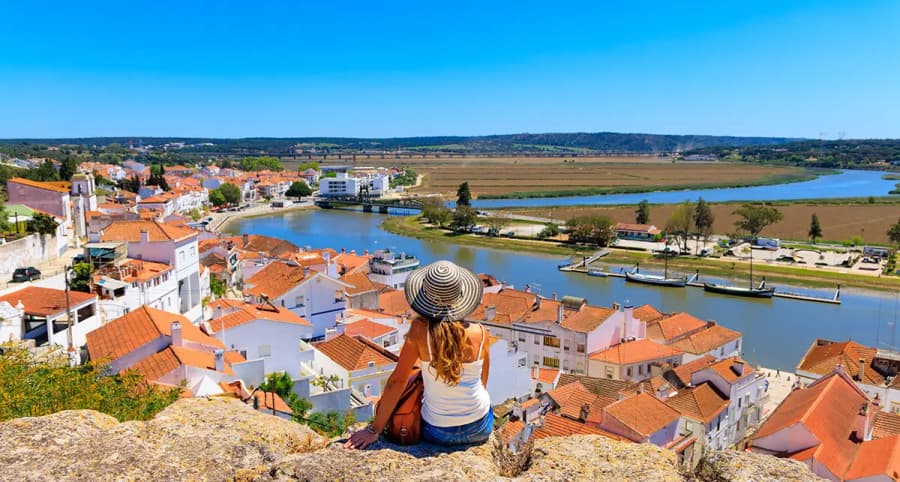
    Lisbon enjoys a Mediterranean climate, characterised by enjoyable summers and mild, rainy winters. Summer temperatures often soar to 28°C to 34°C (82°F to 93°F), while winter ranges from 8°C to 15°C (46°F to 59°F). Since Lisbon is bathed by the Tagus River, the microclimate is fully balanced, making the seasons mild. Central Portugal follows a similar pattern, with slightly greater temperature extremes in the inland areas.

    Image block

    The Algarve and Southern Portugal

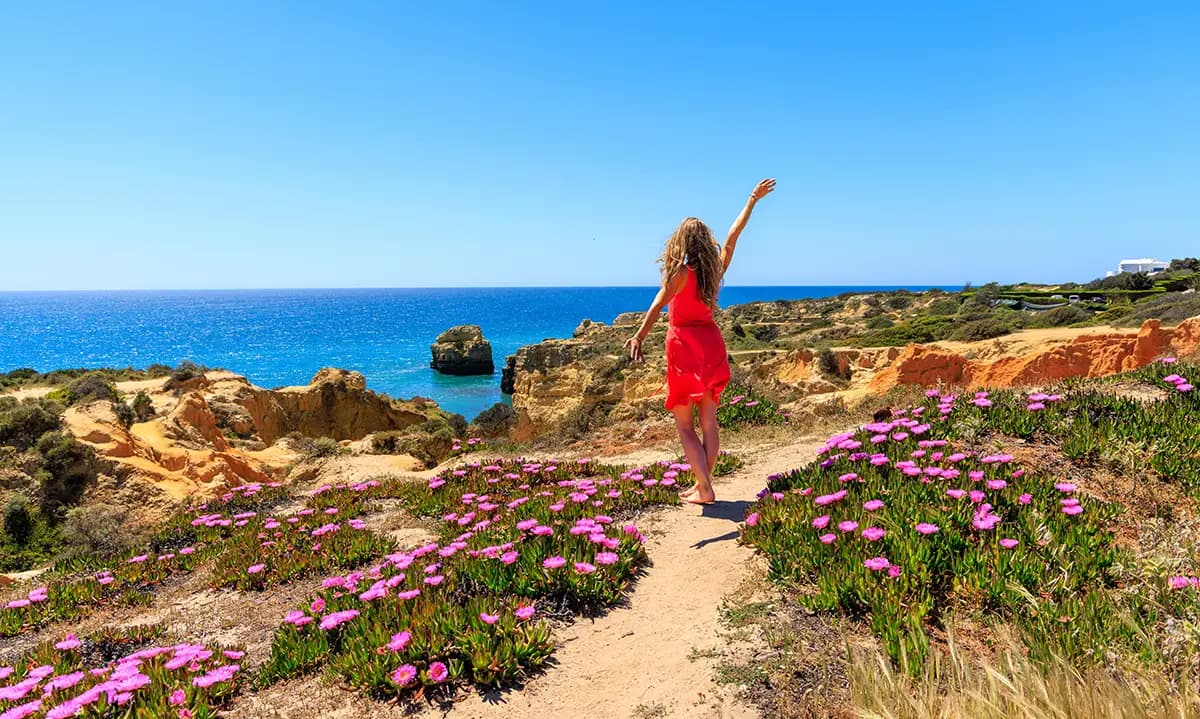
    The Algarve is blessed with a subtropical-Mediterranean climate, making it a paradise for sun-seekers. Summers are long and hot, with average temperatures between 25°C and 35°C (77°F to 95°F). Winters are mild and short, with temperatures rarely dipping below 11°C (52°F). Since the main attraction of the region are the amazing beaches, it is safe to say that summers are the high season for the region.

    Image block

    The Azores and Madeira

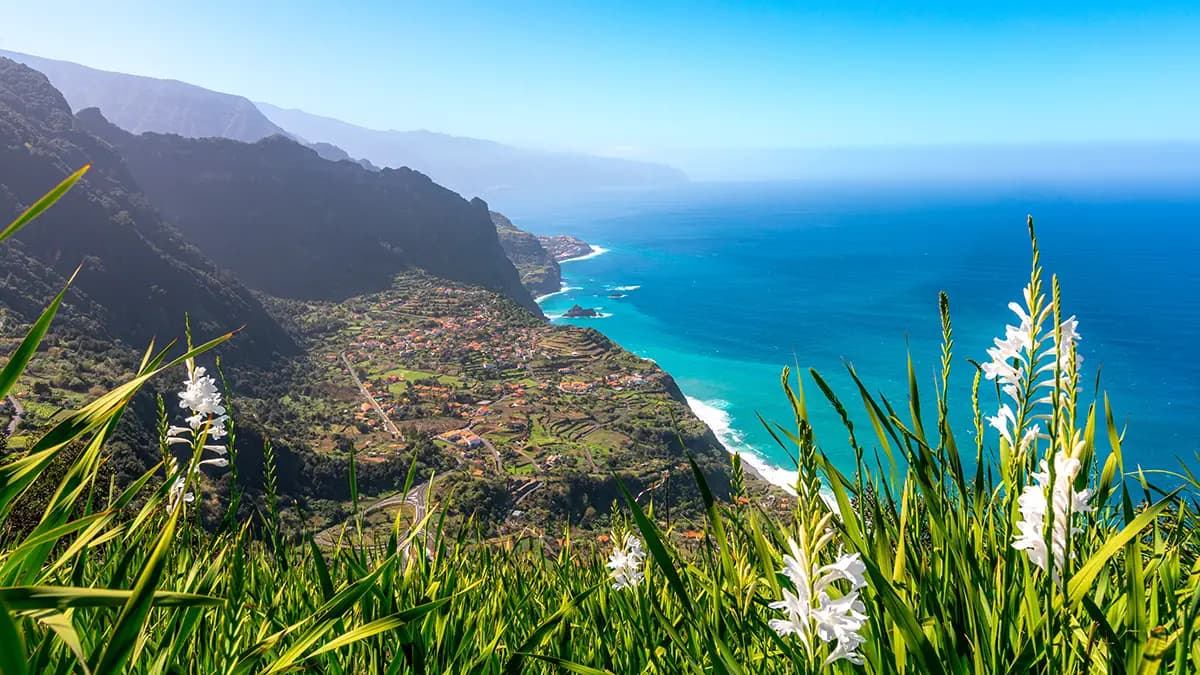
    The Azores and Madeira have a subtropical oceanic climate. In the Azores, expect mild weather year-round, with winter temperatures from 11°C to 18°C (52°F to 64°F) and summer ranging between 17°C and 26°C (63°F to 79°F). Madeira is slightly warmer, offering consistent spring-like conditions, with temperatures from 16°C to 22°C (61°F to 72°F) in winter and 19°C to 28°C (66°F to 82°F) in summer. The islands have their own balanced microclimate due to the dense forests found there. In Madeira, for example, you can find Europe’s biggest banana plantation, a fruit that only grows in tropical forests.

    Image block

    Portugal’s Weather by Month: A Complete Overview of the Country’s Climate

    January

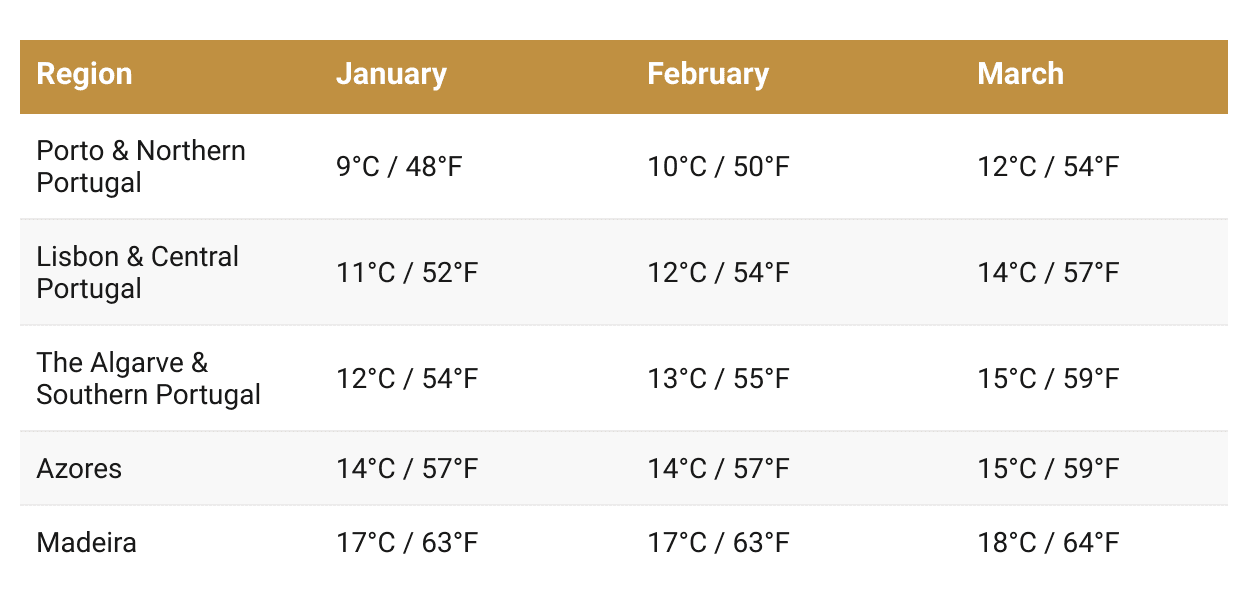
    Winter’s chill is most noticeable in the north, with Porto averaging 10°C (50°F). Lisbon remains milder, around 11°C (52°F), while the Algarve enjoys a cosy 12°C (54°F). The islands offer a pleasant escape, with Madeira basking at 17°C (63°F).

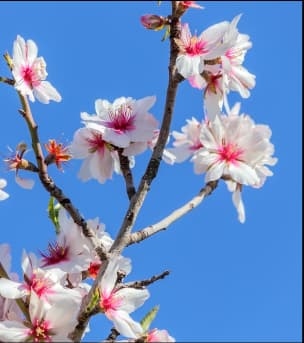
    Although January can bring frequent rain showers, especially in the north, it is also a month that surprises with clear, crisp days. This is an ideal time to explore Portugal’s museums and historical sites without the usual crowds, particularly in Lisbon, where winter light adds a unique charm to the city's iconic landmarks. In the Algarve, the almond trees begin to bloom, painting the landscape with delicate pink and white blossoms.

    February

    Temperatures begin to rise slightly, but winter still holds. Porto’s rainy days persist, with temperatures around 11°C (52°F), while Lisbon and the Algarve remain similar, though with fewer rainy days.

    February often sees a mix of weather, with more frequent sunny intervals breaking up the rain, especially in the central and southern regions. Carnival festivities take place across the country, with the Algarve and Madeira, where mild weather allows for outdoor parades and festivities, offering some of the most vibrant celebrations.

    This is also a great time to visit the Douro Valley, where the vineyards lie dormant but the landscape is no less stunning.

    March

    Spring starts to emerge, especially in Lisbon and the Algarve, where temperatures climb to 15°C to 19°C (59°F to 66°F). Northern Portugal remains cooler and damper. March is a month of transition, where the days gradually lengthen, and the first signs of spring become more evident.

    The south, particularly the Algarve, experiences an increase in sunny days, making it perfect for early spring hikes along the coast.

    In Lisbon, the city's parks and gardens start to bloom, offering a colourful backdrop to your explorations. Porto, while still experiencing rain, sees more moderate temperatures, making it a good time to explore its historic streets and cozy cafés.

    Image block

    April

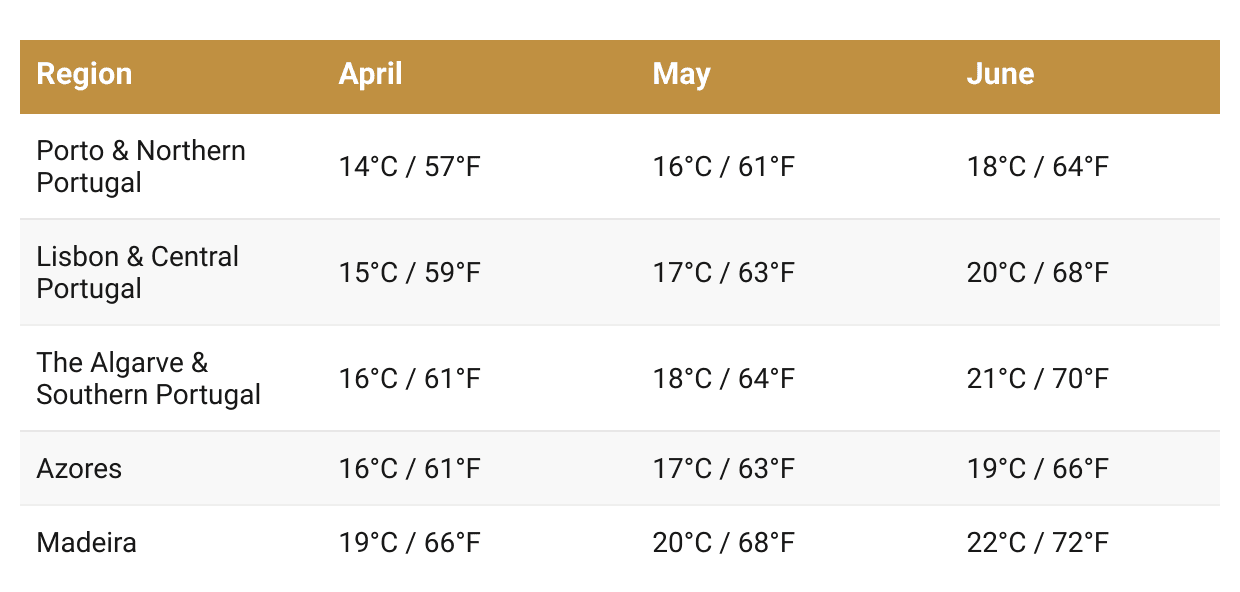
    Spring is in full bloom. The Algarve sees a surge in sunshine, with temperatures around 18°C to 22°C (64°F to 72°F). Lisbon is slightly cooler, with beautiful Jacaranda trees all over the city covering the streets with a purple colour.

    In Porto, you can still experience the spring rains that are so important for the vineyards. There is even a typical Portuguese saying, “Em Abril, águas mil,” which loosely translates to “A thousand rains in April.” The Douro Valley, one of the most beautiful places in the country and which is responsible for more than half of Portuguese wine production, begins to wake up from its winter slumber, with early buds appearing on the vines.

    In the Azores, whale watching season kicks off, offering a chance to see these magnificent creatures as they migrate through the Atlantic.

    Madeira celebrates its famous Flower Festival in April, showcasing the island's stunning flora in elaborate parades and exhibitions. This is a time when the city centre of Funchal becomes a floral explosion and you can hear music in every corner.

    May

    Perfect beach weather starts in the Algarve, with temperatures reaching 21°C to 25°C (70°F to 77°F). Lisbon also warms up, but the north remains mildly cold. May is an ideal month for outdoor activities across Portugal.

    In the Algarve, the beaches are inviting but not yet crowded, providing the perfect conditions for sunbathing or water sports. Lisbon's terraces come alive as locals and tourists alike enjoy alfresco dining.

    In Porto, the mild weather makes it an excellent time to explore the Douro Valley by boat, witnessing the vineyards come to life. Meanwhile, in Madeira, the levada walks offer stunning views of the lush landscapes, made even more vibrant by the blooming flowers.

    June

    Summer begins at last, and the visitors start to arrive­—this is the time of the year Portugal sees tourism in full swing. Lisbon and the Algarve bask in the sun, with temperatures climbing to 28°C (82°F) and beyond.

    Porto enjoys more temperate weather, making it an ideal time for exploring. June marks the beginning of the festival season in Portugal. Lisbon and Porto celebrate the , a lively series of street parties with music, dancing, and grilled sardines filling the air with their unmistakable aroma.

    In the Algarve, the beaches start to see more visitors, but they remain far from their peak, offering a more relaxed atmosphere. June is also a great time to visit the Azores, where the hydrangeas are in full bloom, creating a breathtakingly colourful landscape. In the islands, this is the best time of the year for hiking due to the great visibility at the mountain peaks.

    Image block

    July

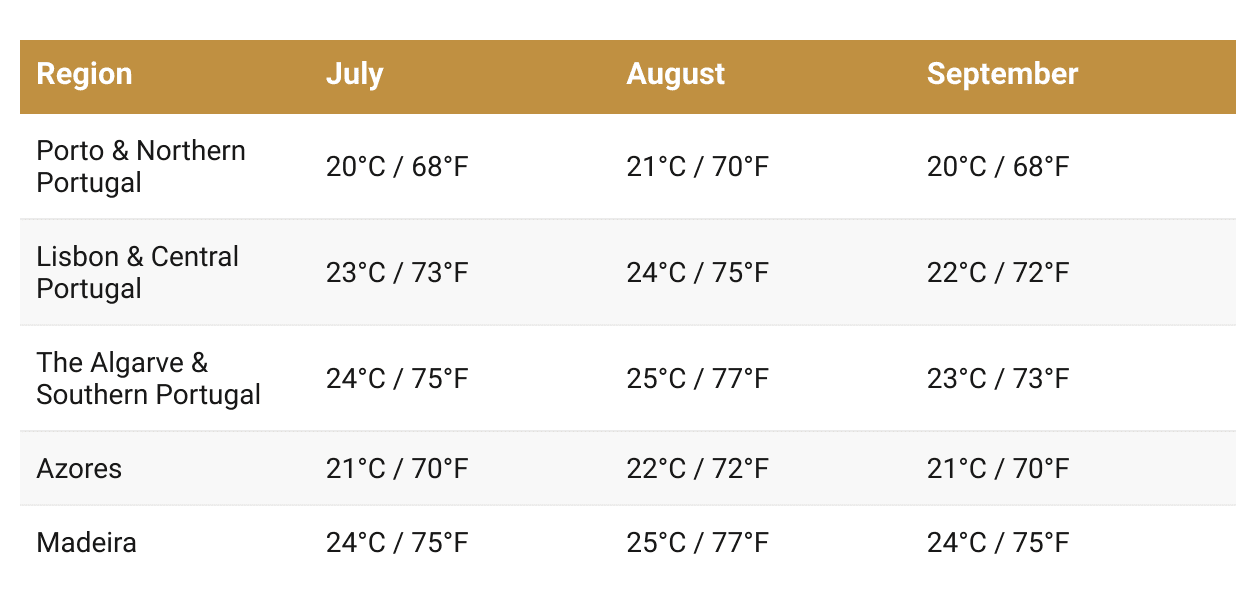
    July brings the peak time for summer, with the Algarve reaching its hottest, around 30°C to 35°C (86°F to 95°F). Lisbon follows closely, while Porto remains cooler, perfect for city strolls. July is the height of the tourist season in Portugal, particularly in the south. The Algarve's beaches are in full swing, attracting sunbathers and surfers alike.

    Lisbon's cultural calendar is packed with events, including outdoor concerts and film screenings. The north, with its cooler temperatures, offers a respite from the heat, making it an excellent time to explore the Minho region, known for its picturesque villages and rolling vineyards. Madeira's levadas are especially popular in July, offering cooler trails through the island's lush interior.

    August

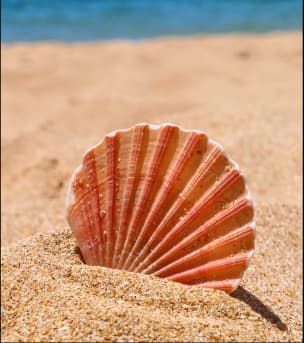
    The heat peaks in the south, with temperatures often hitting 35°C (95°F). The islands offer a refreshing escape, with Madeira at a comfortable 25°C to 28°C (77°F to 82°F). August is synonymous with the beach in Portugal: every weekend is filled with beaches and swimming), and the Algarve is the star of the show. The beaches are buzzing with life, from early morning swims to late-night parties.

    In Lisbon, many locals escape the city heat, making it a bit quieter, though the coastal areas around Cascais and Sintra remain popular. Porto, with its cooler climate, becomes a haven for those looking to escape the intense southern heat.

    Meanwhile, the Azores offers a unique experience in August, with plenty of outdoor activities like diving, hiking, and exploring volcanic landscapes.

    September

    Summer lingers in the south, with warm temperatures persisting. September is a golden month in Portugal, often referred to as the “second summer.” The Algarve still enjoys plenty of sunshine, but the crowds begin to thin out, offering a more relaxed beach experience.

    Lisbon and Porto, now cooling down, become ideal for sightseeing, with the mild temperatures offering perfect conditions for exploring the cities’ cultural and historical landmarks.

    The grape harvest season begins in the Douro Valley, and visitors can partake in traditional wine-making activities, such as grape stomping, while enjoying the stunning autumnal scenery.

    Image block

    October

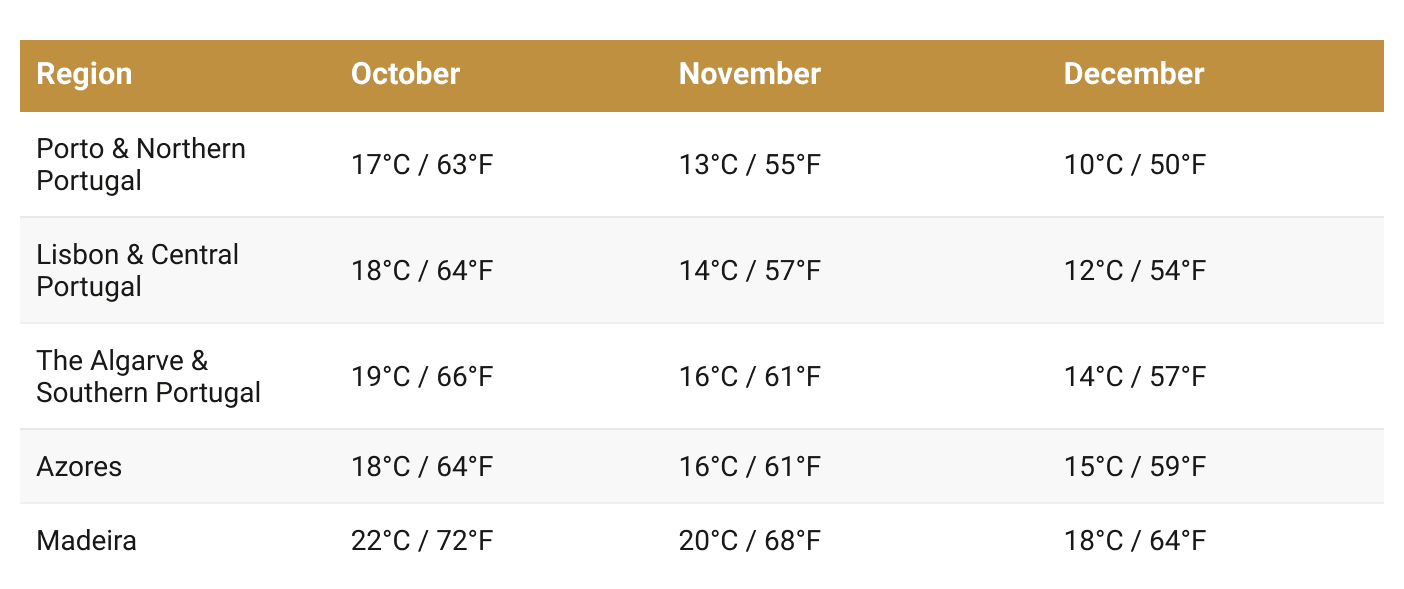
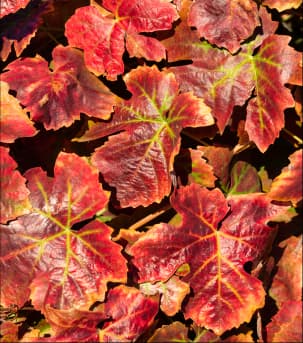
    Autumn colours emerge in the north, with temperatures dropping to 15°C to 20°C (59°F to 68°F). The Algarve remains warm, while Lisbon enjoys a mild climate. October is a month of contrasts in Portugal. The Algarve still offers beach days with warm waters and sunny skies, while the north, particularly the Douro Valley, is ablaze with autumn colours, providing a picturesque setting for vineyard tours and wine tasting.

    In Lisbon, the city’s parks and gardens are at their most beautiful, making it a perfect time for leisurely walks. The Azores and Madeira continue to offer mild and pleasant weather, ideal for outdoor adventures like hiking, canyoning, and exploring natural parks.

    November

    Winter starts to creep in, especially in the north and in the mountainous regions in the countryside. Porto sees temperatures around 13°C (55°F), while Lisbon and the Algarve stay milder. November is when Portugal’s weather begins to cool significantly, particularly in the north, where rain becomes more frequent.

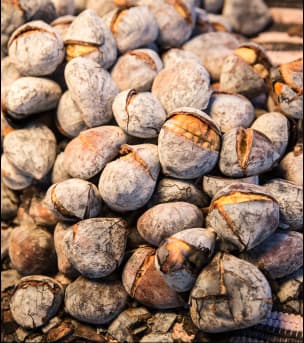
    However, this is also the start of the chestnut season, celebrated with the Magusto festival, where locals gather around bonfires to roast chestnuts and drink new wine. In Lisbon, the cooler weather offers a different perspective on the city, with fewer tourists and a more relaxed and local atmosphere.

    The Algarve, while quieter, still provides pleasant weather for golfing or exploring the less crowded beaches. Madeira, with its subtropical climate, remains a warm escape.

    December

    Winter is here. Porto is chilly and wet, around 10°C (50°F), while Lisbon and the Algarve are slightly warmer but still cool. Madeira remains a haven, with pleasant temperatures around 19°C (66°F). December in Portugal brings a festive atmosphere, with cities and towns adorned in holiday lights and decorations. In Lisbon, the Christmas markets offer a cosy ambiance, where you can sip hot wine and enjoy seasonal treats.

    The Algarve, though quieter, provides a peaceful retreat with its mild climate, making it ideal for a winter beach walk or a round of golf. Meanwhile, in the Serra da Estrela, continental Portugal's highest mountain range, the first snow begins to blanket the peaks and the ski station opens, welcoming winter sports enthusiasts to enjoy skiing, snowboarding, and other snowy adventures.

    Covilhã, the famous Portuguese snow city (or Cidade Neve), opens to tourists for its high season and transforms into a paradise for those who seek a bit of snow. Madeira, with its spring-like weather, hosts one of the most spectacular New Year’s Eve fireworks displays in the world, attracting visitors from around the globe.

    Whether you are seeking a traditional holiday experience or a mild winter escape, December in Portugal offers a bit of something for everyone.

    Image block

    Read more:
    The Best Time to Visit Portugal: According to Attractions, Locals and Experts

    Seasons in Portugal

    Portugal's climate is as varied as its landscape, with each season bringing its own distinct charm and beauty. From the vibrant colours of spring to the golden warmth of summer, the cosy of the autumn or fall season, and the coolness of winter, every time of year offers a unique experience.

    In the spring, the country awakens, with blooming Jacaranda flowers making the streets purple, and brings sunny days and mild temperatures, perfect for outdoor adventures.

    Summer brings long, hot days ideal for beachgoers and festival lovers, while autumn paints the landscapes with warm tones while cool weather creates a picturesque backdrop for wine harvests and coastal hikes.

    Winter, though cooler, remains mild compared to much of Europe, with festive markets and snow-capped mountains in the Serra da Estrela.

    If you're eager to delve deeper into what each season has to offer, Portugal Homes has you covered with our detailed guides on Spring, Summer, Autumn, and Winter in Portugal.

    Check below to find out more about the best activities, weather patterns, and experiences for each season, helping you plan your perfect visit or move to Portugal.

    Is it Worth Moving to Portugal for its Weather?

    Absolutely. Portugal offers a year-round climate that is as inviting as the country itself. From the sun-drenched summers to the mild, cozy winters, the weather in Portugal enhances every moment spent here.

    Whether you are strolling through the historic streets of Lisbon, savouring the crisp autumn air in Porto, or relaxing on the serene beaches of the Algarve, Portugal’s climate adds an extra layer of charm to daily life. It is not just a great destination for a holiday—it is also a wonderful place to call home.

    If you are considering making the move to enjoy this incredible weather year-round, Portugal Homes is here to assist you every step of the way, ensuring your transition is as smooth and enjoyable as the climate itself.

    Image block

    Portugal Homes BrandA Portugal Homes brand logo
    Portugal Homes

    Get the best property advice.

    sun-soaked beaches of the Algarve
    Portugal’s regions
    Image grid with caption

    Image grid with caption

    Image grid with caption

    Image grid with caption

    Winter

    Santos Populares
    Spring
    Summer
    Autumn