Many analysts argue that the changes failed to address structural issues such as limited housing supply, low construction rates, and slow planning approvals.
Although real estate is no longer eligible, the Portugal Golden Visa remains active through alternative investment routes that focus on economic, scientific, and cultural contribution.
Current Golden Visa investment options include regulated investment funds with a minimum investment of €500,000, often linked to private equity, venture capital, or Portuguese businesses. Investors may also qualify by contributing at least €500,000 to scientific or technological research initiatives.
Another route involves supporting cultural heritage or artistic projects with a minimum investment of €250,000.
Business creation also remains an option, either by establishing a Portuguese company that creates at least ten permanent jobs, or by investing €500,000 in a business that creates a minimum of five permanent jobs.
These options ensure that the Golden Visa continues to be one of Europe’s most flexible Residency by Investment programmes, even without a property component.
Property Investment in Portugal After the Golden Visa Changes
Despite no longer qualifying for residency, foreigners can still freely buy property in Portugal, regardless of nationality or visa status. Property ownership remains open and accessible to non-residents.
Importantly, property investment in Portugal remains highly attractive as a standalone decision. Buyers continue to invest for rental income, long-term capital appreciation, portfolio diversification, and lifestyle purposes.
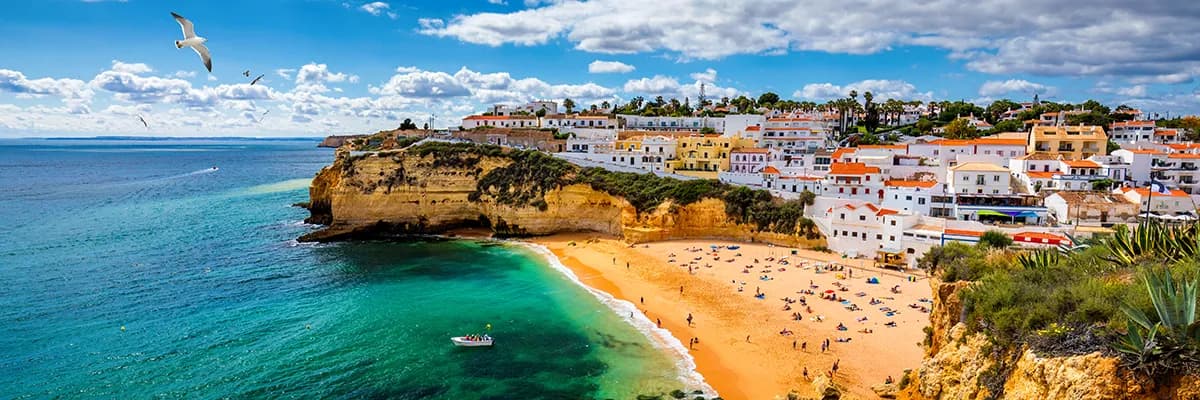
Lisbon, Porto, and the Algarve remain strong markets, supported by tourism demand, international interest, and limited new supply.
The key shift is strategic. Buying property in Portugal should now be viewed as an investment and lifestyle choice, not a residency mechanism.
Alternative Residency Visas in Portugal
While property no longer leads directly to residency, Portugal offers a wide range of residency visas for investors, professionals, and retirees.
The D2 Visa, also known as the Business or Entrepreneur Visa, is particularly relevant for investors. It allows residency through the creation or expansion of a business in Portugal. While real estate is not the qualifying investment, property can still play a supporting role, such as housing a business, tourism operation, or commercial activity.
Other popular residency visas include the D7 Visa for individuals with stable passive income, and the Digital Nomad Visa for remote workers employed abroad. Study visas, research visas, and family reunification visas further expand Portugal’s residency options.
Each of these visas provides a legal path to residency while still allowing individuals to purchase property independently.
Residency Rights
Portuguese residency permits allow long-term legal stay, access to public healthcare and education, and visa-free travel throughout the Schengen Area.
After five years of legal residency, individuals may apply for permanent residency.
Is Buying Property in Portugal Still Worth It?
Yes. Property investment in Portugal remains worthwhile, provided expectations are aligned with the current legal framework. Ownership offers long-term appreciation, rental yields, lifestyle benefits, and exposure to a resilient European market.
For many buyers, property ownership complements a broader plan involving business, retirement, or relocation under alternative visa routes.
A New Framework for Residency and Investment in Portugal
Portugal’s decision to remove real estate from the Golden Visa reflects a shift towards economic diversification rather than a rejection of foreign investment. Property investment remains a core pillar of the country’s economy, even if it no longer provides direct access to residency.
For investors and individuals alike, success now depends on choosing the right visa strategy and understanding how property, business activity, and residency interact.
Portugal continues to offer stability, opportunity, and quality of life. With informed planning, it remains one of Europe’s most compelling destinations.
Frequently Asked Questions
Can you still get residency in Portugal by buying property?
No. Property investment no longer qualifies for the Portugal Golden Visa. Residency must be obtained through alternative visa routes such as the Golden Visa investment options, the D2 Visa, or the D7 Visa.
Can foreigners still buy property in Portugal?
Yes. Foreigners can freely purchase property in Portugal regardless of residency status. Buying property does not require a visa.
What is the best visa for investors after the Golden Visa changes?
This depends on individual circumstances. The Golden Visa remains available through funds, research, cultural support, and business creation. The D2 Visa is often suitable for entrepreneurs and business-minded investors.
Is property investment in Portugal still profitable?
Yes. Demand remains strong in Lisbon, Porto, and the Algarve, supported by tourism, limited supply, and long-term growth fundamentals.
How long do I need to live in Portugal to apply for citizenship?
You may apply for Portuguese citizenship after five years of legal residency, provided all requirements are met.
Speak With Portugal Homes
Portugal Homes specialises in residency planning, investment advisory, and Portuguese real estate. Whether you are exploring Golden Visa investment routes, the D2 Visa, or property investment as a standalone strategy, our team provides end-to-end guidance.
With expert advice and local insight, Portugal Homes helps you make informed decisions at every stage of your journey.