InstagramThe Instagram logo - a square camera icon with rounded corners and a circular lens, representing Instagram social media platformLinkedInThe LinkedIn logo - stylized letters "in" in a professional blue color, representing LinkedIn professional networking platformYouTubeThe YouTube logo - a play button icon in a rounded rectangle, representing YouTube video platformTwitterThe Twitter/X logo - stylized letter "X" in a modern design, representing Twitter/X social media platform

WhatsAppThe WhatsApp logo - a chat bubble with a phone icon, representing WhatsApp messaging platformWhatsApp

Contactos

Sobre Nós

LogoPortugal Home - A logo for the Portugal Home website
Vender
Blog
Entrar
  1. Homepage

  2. Blog

  3. Education in Portugal: Everything Expats Need to Know

Fazemos parte do Grupo Harland & Poston

Subscreva a nossa Newsletter

InstagramThe Instagram logo - a square camera icon with rounded corners and a circular lens, representing Instagram social media platformLinkedInThe LinkedIn logo - stylized letters "in" in a professional blue color, representing LinkedIn professional networking platformYouTubeThe YouTube logo - a play button icon in a rounded rectangle, representing YouTube video platformTwitterThe Twitter/X logo - stylized letter "X" in a modern design, representing Twitter/X social media platform

Listagens de Propriedades

Lisboa

Algarve

Porto

Cascais

Nazaré

Costa de Prata

Todas as Propriedades

Os Nossos Serviços

Comprar

Vender

Mude-se Para Portugal

Arrendamento

Gestão Imobiliária

Vistos

Ver Todos os Serviços

Institucional

Sobre Nós

Equipa

Carreiras

Notícias

Contactos

Vistos

D2 Visa

D7 Visa

Golden Visa

Todos os Vistos

InstagramThe Instagram logo - a square camera icon with rounded corners and a circular lens, representing Instagram social media platformLinkedInThe LinkedIn logo - stylized letters "in" in a professional blue color, representing LinkedIn professional networking platformYouTubeThe YouTube logo - a play button icon in a rounded rectangle, representing YouTube video platformTwitterThe Twitter/X logo - stylized letter "X" in a modern design, representing Twitter/X social media platform

© 2025 Portugal Homes. As marcas registadas e marcas comerciais são propriedade do The Harland & Poston Group.

Política de Privacidade
Termos de Serviço
Cookies

    Article

    Education in Portugal: Everything Expats Need to Know

    Article -> November 18, 2024

    Article

    Estilo de Vida em Portugal

    Education in Portugal: Everything Expats Need to Know
    Portugal Homes BrandA Portugal Homes brand logo
    Portugal Homes

    Get the best property advice.

    Portugal has become one of Europe’s most attractive destinations for expats and international families seeking a high quality of life, affordable living costs, a mild climate, and long-term stability. As more families consider relocating, one factor consistently plays a decisive role in the decision-making process: education.

    Understanding the education system in Portugal is essential for families moving with children, whether they are toddlers, school-aged pupils, or university-bound teenagers. From free public schools to internationally recognised private and international institutions, Portugal offers a diverse, high-quality education landscape that caters to a wide range of needs and budgets.

    Why Education Matters When Moving to Portugal with Children

    Relocating to a new country with children involves more than finding a home or securing residency. Education directly affects a child’s emotional wellbeing, academic continuity, and long-term prospects. For parents, understanding how schools in Portugal for expats work helps reduce uncertainty and ensures a smooth transition.

    Portugal supports both local and foreign students across all levels of education, and its system is well-equipped to integrate international families. With proper planning, families can in a stable environment, ensuring their academic success for their children.

    With expert guidance from Portugal Homes, families can make informed decisions about schooling, location, and residency options, ensuring their children’s educational needs are fully met from day one.

    Overview of the Portuguese Education System

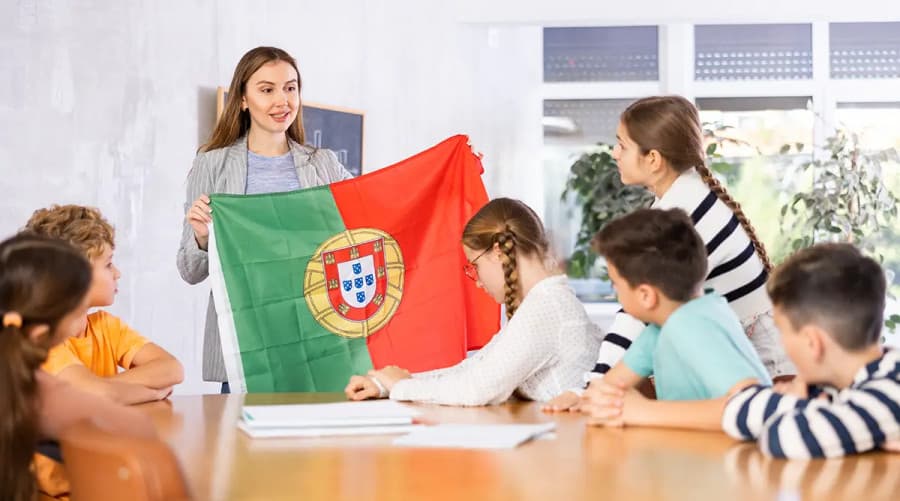
    Public education is free and compulsory from ages 6 to 18, making Portugal particularly appealing to families seeking quality education without high costs.

    Families relocating to Portugal can choose between:

    • Public schools

    • Private schools

    • International schools offering foreign curricula

    Notably, the proportion of foreign students in Portuguese universities is almost twice the OECD average according to OECD Education at a Glance 2025, highlighting Portugal’s strong appeal to international students.

    Structure of the Education System in Portugal

    The school system in Portugal is divided into five main stages:

    • Nursery (ages 0–2, non-compulsory)

    • Kindergarten / Pre-primary (ages 3–5, non-compulsory)

    • Basic Education (1st to 9th grade, compulsory)

    • Secondary Education (10th to 12th grade, compulsory)

    • Higher Education (universities and polytechnic institutes)

    School Level

    Age

    Nursery (Infantário)

    0-2

    Kindergarten

    3-5

    Basic Education 1st Cycle (Ensino Básico 1º Ciclo)


    1st Grade

    6-7

    2nd Grade

    7-8

    3rd Grade

    8-9

    4th Grade

    9-10

    Basic Education 2nd Cycle (Ensino Básico 2º Ciclo)


    5th Grade

    10-11

    6th Grade

    11-12

    Basic Education 3rd Cycle (Ensino Básico 3º Ciclo)


    7th Grade

    12-13

    8th Grade

    13-14

    9th Grade

    14-15

    Secondary Education (Ensino Secundário)


    10th Grade

    15-16

    11th Grade

    16-17

    12th Grade

    17-18

    The academic year generally runs from September to June, with summer holidays in July and August. However, this is not a rule and the schedule might change from school to school, with some of them even dividing the year into 3 periods rather than 2.

    Average School Year in Portugal

    1st Semester

    Mid-September until Mid-December

    Christmas Break

    End of December until Mid-January

    2nd Semester

    Mid-January until the end of June

    Summer Break

    July until Mid-September

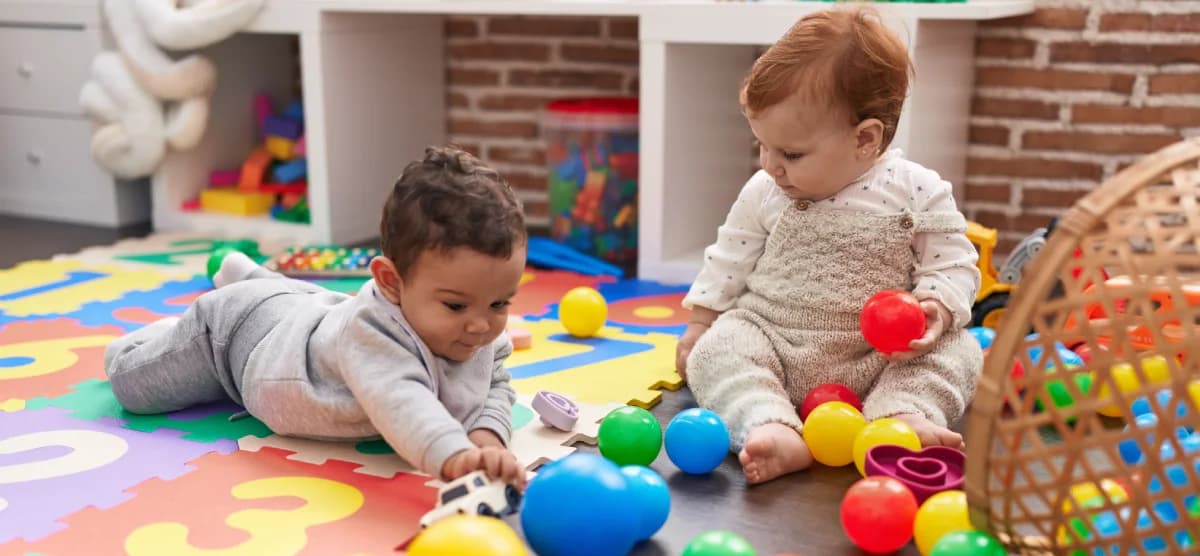
    Nurseries and Kindergartens in Portugal

    Image block

    Childcare in Portugal is well-developed, particularly for young children.

    • Nurseries (creches) are mostly private or semi-public.

    • Since 2022, the Creche Feliz law has made many nurseries free for children born after 1 September 2021.

    • Most nurseries operate full-day schedules and include meals.

    Portuguese kindergartens, known as Jardins de Infância, serve children aged 3 to 5 and may be public or private. Public kindergarten places can be limited, so early application is essential.

    Age

    PT

    UK

    USA

    0-1

    Nursery

    Nursery

    Pre-School

    1-2

    Nursery

    Nursery

    Pre-School

    2-3

    Nursery

    Nursery

    Pre-School

    3-4

    Kindergarten

    Nursery

    Pre-School

    4-5

    Kindergarten

    Reception

    Pre-Kindergarten

    5-6

    Kindergarten

    Year 1

    Kindergarten

    Primary Education in Portugal

    Primary education in Portugal begins at age 6 and is divided into three cycles:

    • 1st cycle: one teacher covers most subjects

    • 2nd cycle: subject-specific teachers

    • 3rd cycle: fully specialised teachers


    Primary School in Portugal

    1st Cycle

    1st to 4th Grades

    One instructor teaching all subjects

    2nd Cycle

    5th to 6th Grades

    Various teachers for different subjects

    3rd Cycle

    7th to 9th Grades

    One specialised teacher for each subject

    Core subjects include Portuguese, Mathematics, Science, History, and English. Public primary schools are widely trusted by families and attended by children from all social backgrounds.

    Age

    PT


    UK

    USA

    6-7

    1st Grade

    1st Cycle

    Year 2

    Grade 1

    7-8

    2nd Grade

    Year 3

    Grade 2

    8-9

    3rd Grade

    Year 4

    Grade 3

    Children are usually assigned schools based on proximity to their home or a parent’s workplace, and registration typically needs to be completed around six months before the school year starts.

    Secondary Education in Portugal

    Secondary education, or high school, covers ages 15 to 18 (10th to 12th grades) and is compulsory under the Portuguese education system.  

    Image block

    Key features include:

    • National exams, which influence graduation and university admission

    • Choice between scientific-humanistic tracks or professional and vocational courses

    • Options for free public education or paid private schools

    This stage prepares students either for higher education or direct entry into the workforce.. 

    Secondary School Comparison

    Age

    PT

    UK

    USA

    15-16

    10th Grade

    Year 10

    Grade 10
    Sophomore Yr.

    16-17

    11th Grade

    Year 11

    Grade 11
    Junior Yr.

    17-18

    12th Grade

    Year 12

    Grade 12
    Senior Yr.

    International Schools in Portugal

    From kindergartens to secondary schools, Portugal is home to more than 75 , making it a popular choice for expat families seeking continuity with their home education systems.  

    Image block

    Key characteristics:

    • Mostly private institutions

    • Concentrated in Lisbon, Porto, and the Algarve

    • Common curricula include:

      • British

      • American

      • International Baccalaureate (IB)

      • French and German systems

    International schools often teach in English or multiple languages and offer a more personalised, student-focused approach. 

    Higher Education in Portugal

    Higher education in Portugal includes:

    • Universities, with a focus on theory and research

    • Polytechnic institutes, with a practical, applied approach

    Image block

    While universities offer bachelor’s, master’s, and PhD degrees, polytechnic schools offer undergraduate and master’s programs in specific fields. The main difference is that universities focus more on theoretical studies and research while polytechnic courses feature a more practical and project-based approach.

    Portugal has three universities ranked among the world’s top 500 in the Times Higher Education 2026 Ranking. In addition, the country hosts four business schools ranked in the global top 50 according to the Financial Times 2025 ranking.

    Tuition fees apply even at public universities, but they remain highly affordable compared to other European countries.. 

    Portugal’s Education Costs

    One of Portugal’s strongest advantages is affordability.

    Typical education costs include:

    • Public primary and secondary schools: free

    • Private schools: around €500 per month

    • International schools: €5,000 to €20,000+ per year

    • Public universities:

      • €697 per year for Portuguese residents and EU students

      • €1,000 to €7,000 per year for non-EU students

    Image block

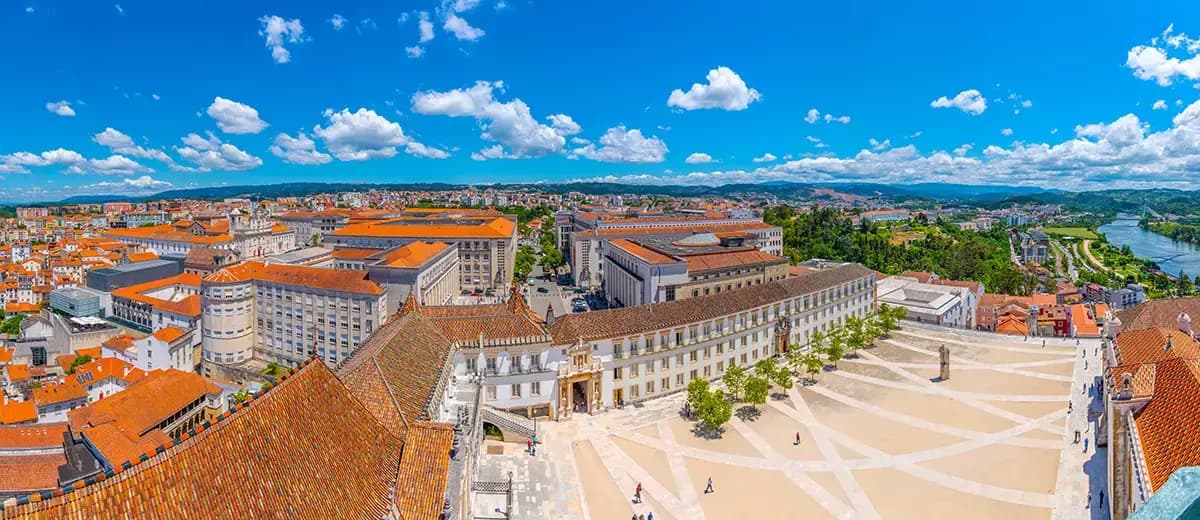
    For example, the University of Coimbra, one of the country’s most expensive,  charges €7,000 per year for international students, compared to €697 per year for Portuguese residents or EU nationals.

    Overall, education in Portugal is considered high-quality and cost-effective, especially when compared with other Western European countries.. 

    The Enrolment Process in the Portuguese Education System

    Early planning is crucial, particularly for public schools.

    • Applications are usually completed online via the national enrolment portal.

    • Having a Portuguese residency permit makes enrolment significantly easier

    • Required documents typically include:

      • Passports

      • Vaccination records

      • Portuguese tax number (NIF)

      • Proof of address

    Private schools manage enrolment independently and may have different timelines and requirements.  

    Student Visas in Portugal

    Image block

    Portugal offers two main student visas:

    • D4 Visa for courses lasting 3–12 months or short internships

    • D5 Visa for programmes lasting over 12 months

    Both require an official acceptance letter from the educational institution, and those who wish to study in Portugal must submit an application at a Portuguese consulate. 

    Other Visas that Allow Your Children to Study in Portugal

    Short-term student visas only apply to the student. Families planning long-term relocation usually require residency visas.

    The Portugal Golden Visa allows investors and their families to:

    • Live, work, and study in Portugal

    • Access public and private education

    • Apply for permanent residency or Portuguese citizenship after five years.

    At the end of the day, your chosen visa route will depend on wider goals you might have for yourself and your loved ones. What will not vary is the fact that, no matter what, Portugal remains a great destination for students of all ages, offering a great and diverse array of options and opportunities. 

    Image block

    Why Portugal Is an Excellent Choice for Education and Family Life

    Portugal combines educational quality, affordability, safety, healthcare, and lifestyle, making it one of Europe’s most attractive destinations for families and students alike. From free public schools to internationally recognised universities, the country offers flexible solutions for every stage of education.

    Frequently Asked Questions

    Is education in Portugal free?

    Yes, Portugal offers free education to all children from 6 to 18 years old through the public education system. A network of selected nurseries are also free.

    Is it possible to find private schools in Portugal?

    Yes. You will find many private education institutions for all levels of the education system across the country.

    Can I enrol my kids in an international school in Portugal?

    Yes. Regions like Lisbon, Porto, and the Algarve hold many of the 75+ international schools currently present in Portugal.  

    Does Portugal have a good education system?

    Yes, both private and public schools offer high-quality education at all levels. Some neighbourhoods will have better schools than others and that is often a criterion when choosing a house, as students in the public system must attend a school that is either close to their residence or to the work location of a family member.

    How is the Portuguese education system divided?

    Compulsory education in the Portuguese school system is divided primary and secondary education. Primary education is split into the 1st, 2nd, and 3rd cycles, including the 1st to 9th grades. Then, children move on to secondary education, which covers the 10th to 12th grades.

    Are universities free in Portugal?

    No. Public and private universities in Portugal charge tuition fees. However, they are extremely affordable when compared to other countries in Europe and around the world.

    Can my child study in the Portuguese public education system if they don’t speak Portuguese?

    If they are legal residents of Portugal, they can. However, all classes are taught in Portuguese, though some schools offer language support for non-native speakers. Many expats prefer to enrol their children in private international schools where the curriculum is taught in English or another language.

    How long is a school day in Portugal?

    That will vary from school to school, but it is usual for school days to run from 8 AM to 6 PM.

    How is the school year in Portugal?

    This will also vary from school to school, but the school year tends to start in mid-September and run to the end of June of the next year, with a small winter break from Christmas to the beginning of January. 

    Portugal Homes BrandA Portugal Homes brand logo
    Portugal Homes

    Get the best property advice.

    raise their children

    9-10

    4th Grade

    Year 5

    Grade 4

    10-11

    5th Grade

    2nd Cycle

    Year 6

    Grade 5

    11-12

    6th Grade

    Year 7

    Grade 6

    12-13

    7th Grade

    3rd Cycle

    Year 8

    Grade 7

    12-14

    8th Grade

    Year 9

    Grade 8

    14-15

    9th Grade

    Year 10

    Grade 9

    international schools