Article
Portugal Homes
Get the best property advice.
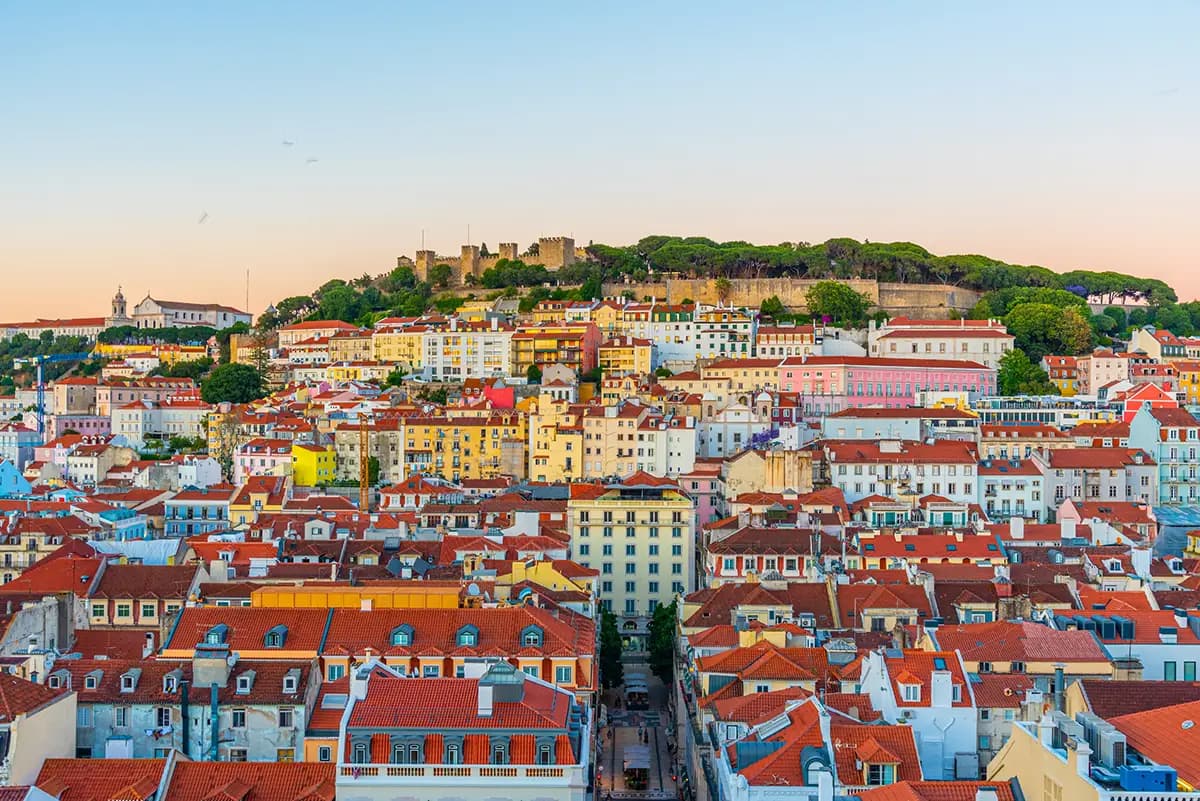
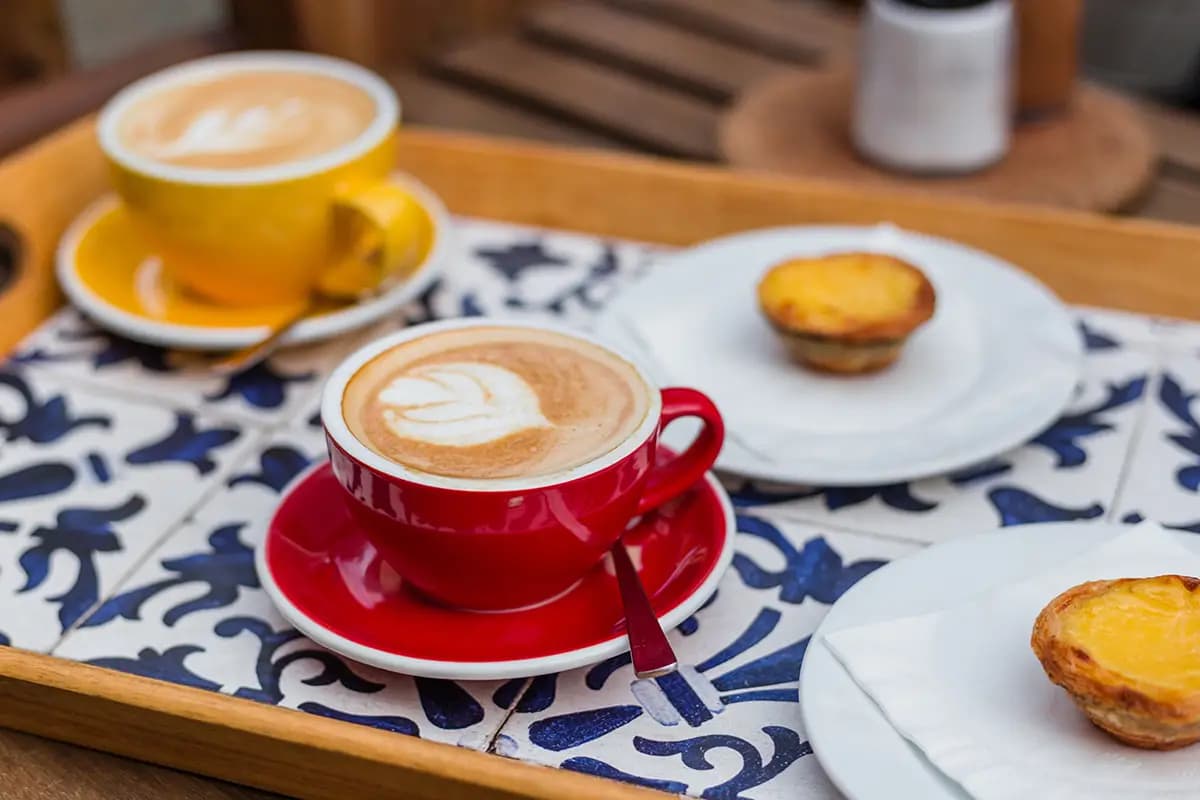
You probably already have a clear-cut picture of Portugal, right? Walking through Lisbon’s hills, or maybe catching the famous yellow trams with a custard tart in hand, while a singer melancholically sings a Fado song on the corner.
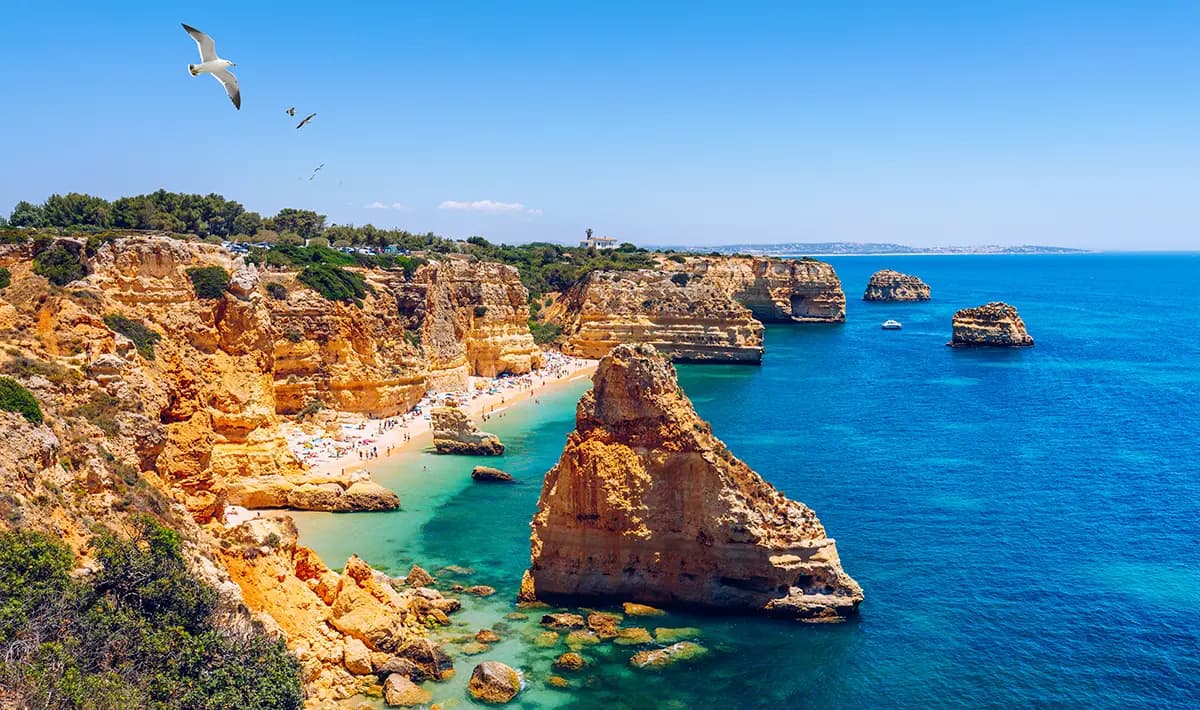
Maybe you’re admiring the Douro River atop the Luís I Bridge, getting ready to hop on a boat tour that will take you to an amazing Port wine experience in the Douro Valley. Perhaps, you’re lounging on the Algarve’s sunny beaches with the waves softly lapping at the shore.
While this is an extremely valid image of Portugal, it won’t surprise anyone if they ask you about Portugal. Whether you’re looking to know more about Portugal, sharpening up your knowledge before moving, or even just looking for random topics or interesting facts about Portugal to make small talk with the Portuguese locals or to share with your friends and family, you have come to the right place.
Here is Portugal Homes’ list of interesting facts about Portugal:
1. Portugal became a Country because of a Disagreement between Mother and Son
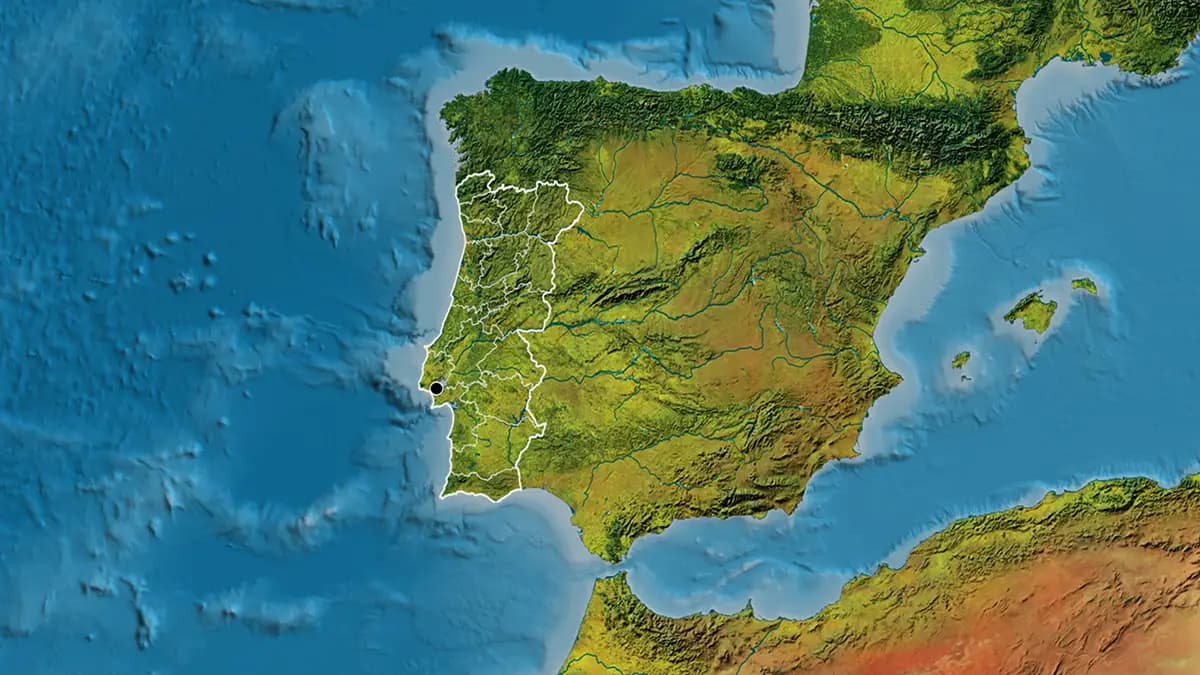
There is more to the story than just the title, but that is how Portugal, essentially, came to exist. Before becoming sovereign, Portugal was a vassal county under the Kingdom of León and Castille (which would later become parts of Spain). Upon the death of Henry, the Count of Portugal, his wife, Theresa, took control of the County on behalf of Henry’s son and successor, Afonso. As the fervour for independence from León and Castille grew, Theresa allied herself with Galician forces to wrestle control and obtain sovereignty.
However, Teresa’s son, Afonso Henriques, disagreed with his mother on her alliances with Galicia, fearing Portugal would fall under their control. With the future of the county of Portugal at hand, Afonso’s military forces clashed against his mother, Theresa’s in 1128, in the Battle of São Mamede - what many deem to be the catalytic event that would lead to Portugal’s independence in 1143 when León and Castille officially recognised Portugal as an independent state, and Afonso Henriques became the first King of Portugal.